This page reads directly from the Notion backend loaders. It is a test viewer, not the final article design.
article · 2026-05-19
Building the ONRS website: a technical postmortem
How we built a bilingual editorial website using Notion as a CMS, Astro as the renderer, and Cloudflare Pages for hosting — and what we would do differently next time.
Slug
onrs-website-technical-postmortem
Attribute image source
fallback
Blocks
29
Code editor screenshot showing an Astro component file.
Why Notion as a CMS?
We needed a system that non-technical editors could use without training, that supported rich content (images, callouts, tables, embeds), and that didn't require us to build an admin interface from scratch.
Notion met all three criteria. The tradeoff was that we had to build a renderer that could faithfully translate Notion's block model into clean HTML.
Notion: Content authoring, editorial workflow (Draft → Published → Archived)
Astro: Static site generation with component-based rendering
Cloudflare Pages: Fast, free hosting with automatic deployments from Git
Notion API: Fetches pages and databases at build time
What worked
What didn't
Lessons learned
What we'd do differently
Image pipeline: Upload images to R2/S3 at build time instead of using Notion's signed URLs
Incremental builds: Use webhooks to rebuild only changed pages
Preview environment: A staging deployment triggered by a "Preview" status in Notion
Content validation: A pre-build check that flags missing required fields (slug, summary, hero image)
article · 2026-05-12
The samizdat playlist: underground music in Putin's Russia
From banned rappers to encrypted Telegram channels, how Russian musicians are circumventing censorship to reach their audience.
Slug
samizdat-playlist
Attribute image source
fallback
Blocks
14
Blurred concert photograph with stage lights and silhouetted crowd.
Music behind the firewall
In September 2024, the rapper Oxxxymiron — one of Russia's most prominent musical voices against the war — released an album that could not be streamed on any Russian platform. Within 24 hours, it had been downloaded over two million times via Telegram bots, torrent trackers, and peer-to-peer file sharing.
The samizdat tradition, it seems, has found a new medium.
The new underground
Russia's music censorship operates on multiple levels:
Platform removal: Tracks flagged as "extremist" are pulled from VK Music, Yandex Music, and Spotify Russia
Concert bans: Venues receive informal warnings not to host certain artists
Criminal prosecution: Under Article 207.3, "discrediting the armed forces" can carry up to 15 years
Self-censorship: The most pervasive and hardest to measure
How it circulates
Channel
Reach
Risk
Telegram bots
High
Medium
Torrent trackers
Medium
Low
VPN + YouTube
High
Medium
USB drives at events
Low
Low
Encrypted group chats
Low
Low
They can ban the concert, but they can't ban the headphones.
The parallel with Soviet-era samizdat is not exact — digital distribution is faster, harder to trace, and reaches far more people. But the fundamental dynamic is the same: art finds a way.
interview · 2026-05-10
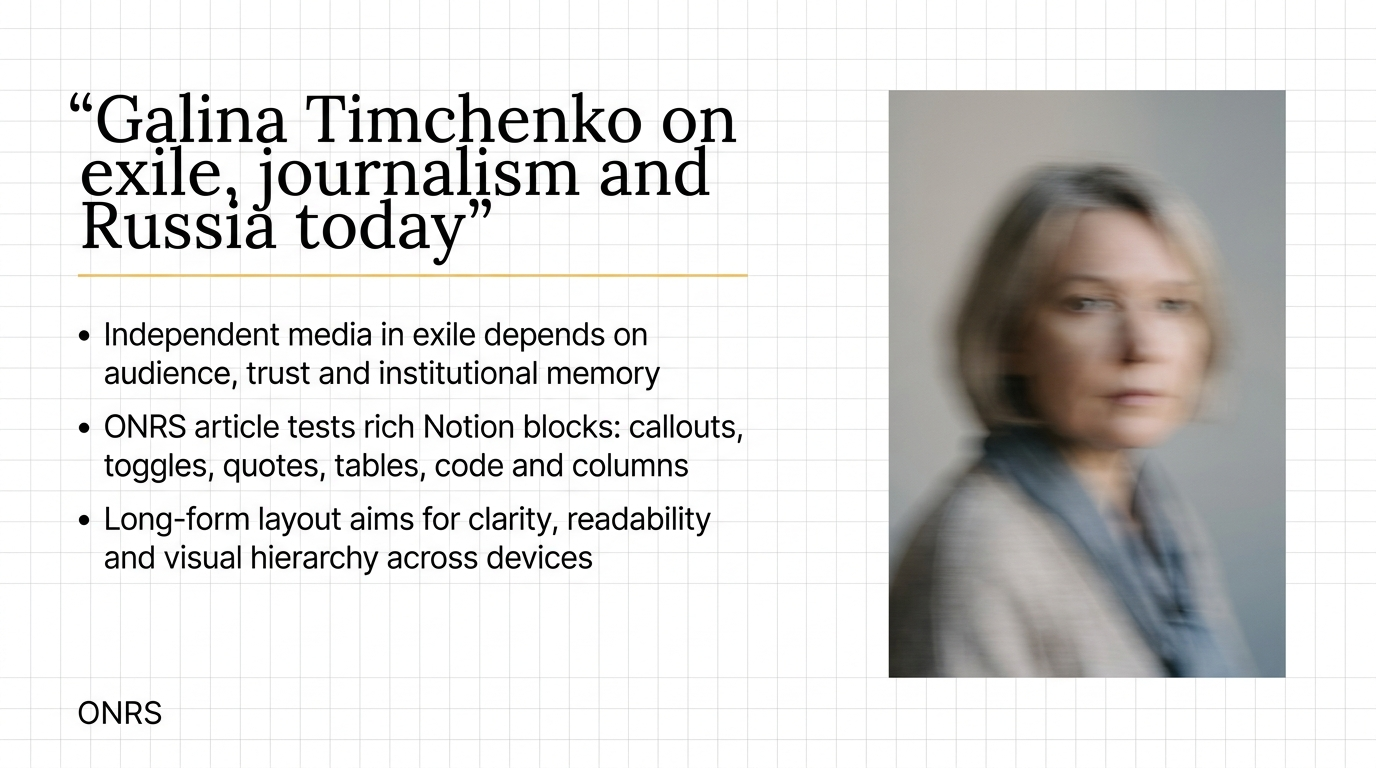
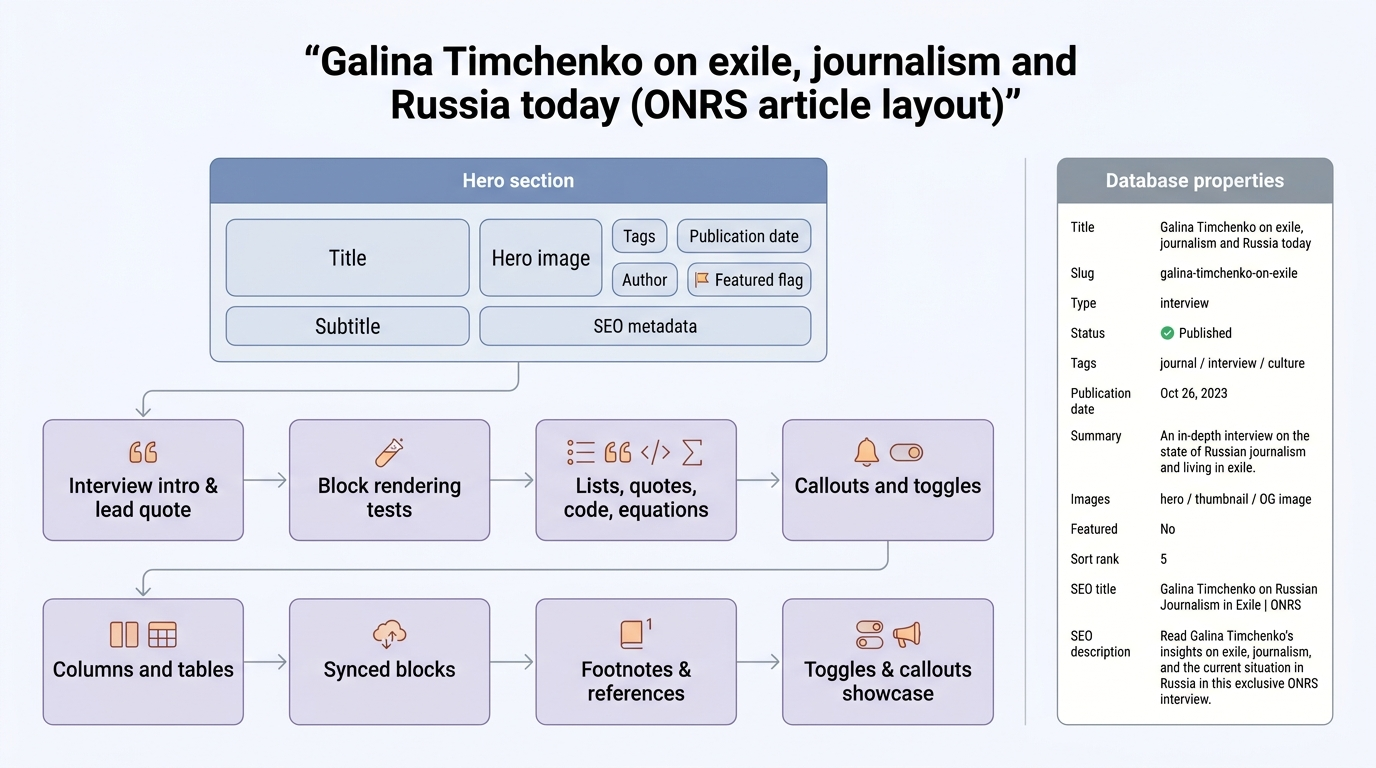
Galina Timchenko on exile, journalism and Russia today
The co-founder of Meduza discusses independent media in exile, the cost of telling the truth and why solidarity matters.
Slug
galina-timchenko-interview
Attribute image source
external
Blocks
360
Editorial portrait-style image for an interview article.
Interview format test
This article body is intentionally varied so the backend can fetch rich Notion blocks before the Astro renderer exists.
Independent media in exile is not only a question of publishing. It is a question of audience, trust and institutional memory.
Image unavailable
Body image inside the interview article.Editor notes
This nested paragraph should be returned under the toggle children array.
Block rendering test
A grab-bag of Notion blocks for visual testing.
Headings
Heading 1
Heading 2
Heading 3
Heading 4
Text formatting
Plain paragraph with bold, italic, strikethrough, underline, inline code, and a link.
Inline color examples: red text, green background, purple text.
Inline math: E = mc^2 and \int_0^\infty e^{-x^2}\,dx = \tfrac{\sqrt{\pi}}{2}.
Lists
Bulleted item one
Bulleted item two
Nested bullet
Deeper nested bullet
Bulleted item three
Numbered item one
Numbered item two
Nested numbered
Nested numbered
Numbered item three
To-dos
Quotes
A single-line quote block.
Multi-line quote:
Line two of the quote.
Line three with bold and italic.
A single, slightly longer sentence to test how a one-liner wraps inside the article column.
A medium-length paragraph that runs across two or three lines on most screens. It exists to check line-height, hyphenation behaviour, and how body copy sits next to headings and callouts above. Nothing here is load-bearing — it is just enough text to fill the reading width comfortably without spilling into a wall of prose.
A longer paragraph designed to stress-test typography across a wider range of widths. Independent journalism in exile, like the kind discussed in the interview above, often depends on infrastructure that is invisible to readers: secure publishing pipelines, distributed editorial teams, redundancy of hosting, and a careful approach to source protection. When we render long-form articles on the ONRS website, we want body text at this length to remain readable on both narrow mobile viewports and wider desktop columns, with consistent spacing above and below adjacent blocks such as quotes, callouts, and images.
And finally, a substantial block of prose to see how the renderer behaves when a single paragraph carries real weight. The history of Russian-language independent media is, in many ways, a history of relocation — of newsrooms reconstituting themselves in Riga, Berlin, Tbilisi, Amsterdam, and elsewhere, often more than once. Each move brings with it a fresh set of legal, financial, and editorial constraints, and yet the core editorial mission tends to survive: to document, to verify, and to publish without flinching. For a site like this one, which sits somewhere between a cultural hub and an editorial outlet, getting the long-paragraph reading experience right matters as much as the headline image or the table of contents above. Spacing, measure, leading, and the relationship between paragraphs and the surrounding blocks all contribute to whether a reader stays with a piece to the end — or bounces after the first scroll.
Nested block combinations
Callout inside a toggle
Expand to see a callout
A paragraph after the callout, still inside the toggle.
Toggle inside a callout
Nested toggles (three levels)
Level 1 toggle
First level content.
Level 2 toggle
Second level content with a quote:
A quote inside a nested toggle.
Level 3 toggle
Deepest level. If you can read this, three-level nesting works.
Colored blocks
Plain paragraph, no colour.
A gray paragraph for secondary information.
A red paragraph for warnings or errors.
A blue-background paragraph for info highlights.
Colored heading
Orange bulleted item
Green-background bulleted item
Red numbered item
Purple numbered item
A brown-background quote for editorial aside.
Multi-language code blocks
javascript
const fetchArticle = async (slug) => {
  const res = await fetch(`/api/articles/${slug}`);
  if (!res.ok) throw new Error(`Article not found: ${slug}`);
  return res.json();
};
SELECT a.title, a.author, a.publication_date
FROM articles a
JOIN tags t ON t.article_id = a.id
WHERE t.name = 'culture'
  AND a.status = 'published'
ORDER BY a.publication_date DESC
LIMIT 10;
Synced block
This is a synced block. Any copy of this block elsewhere will mirror these contents automatically.
Columns with complex children
Stats
Metric
Value
Articles
47
Interviews
12
Languages
3
Key quote
Memory is a form of resistance — it refuses to let history be rewritten.
Deeply nested list
Level 1
Level 2
Level 3
Level 4 — this tests deep indentation
Level 5 — maximum practical depth
Back to level 4
Back to level 3
Back to level 2
Another level 1 item
Quotes in all sizes and colours
Default (no colour)
A quote with no colour applied — the default style.
Text colours
Gray text quote.
Brown text quote.
Orange text quote.
Yellow text quote.
Green text quote.
Blue text quote.
Purple text quote.
Pink text quote.
Red text quote.
Background colours
Gray background quote.
Brown background quote.
Orange background quote.
Yellow background quote.
Green background quote.
Blue background quote.
Purple background quote.
Pink background quote.
Red background quote.
Multi-line quotes
Multi-line default quote:
Second line of the quote.
Third line with bold and italic.
Multi-line gray quote:
Line two.
Line three.
Multi-line blue background quote:
Line two with inline code.
Line three with strikethrough.
Independent media in exile is not only a question of publishing.^{[1]} It is a question of audience, trust and institutional memory.^{[2]} When newsrooms relocate, they must rebuild not just infrastructure but credibility^{[3]} — a process that can take years and is never truly complete.
The concept of "media in exile" has deep historical roots.^{[4]} From samizdat to satellite broadcasts, the mechanisms change but the core tension remains: how to reach an audience that the state would prefer stayed uninformed.^{[5]}
Galina Timchenko has argued that solidarity between exiled outlets matters more than competition,^{[1]} a view shared by several other editors-in-chief across the diaspora.^{[6]}
References
Timchenko, G. (2024). "Building Meduza from scratch." Press Gazette, 12 March 2024.
Khodorkovsky, M. (2023). "Institutional memory and the Russian free press." Open Russia Papers, vol. 7, pp. 14–31.
Lipman, M. & McFaul, M. (2022). "Media credibility after relocation." Journal of Democracy, 33(2), 89–104.
Stelmakh, V. (2019). "Samizdat to servers: a short history of exiled publishing." Slavic Review, 78(1), 201–218.
RSF (2023). "Press freedom and digital reach in authoritarian states." Reporters Without Borders annual report.
Galperovich, D. (2024). "Cooperation over competition: voices from the Russian media diaspora." The Moscow Times, 5 June 2024.
Toggles showcase
Plain toggles
Simple toggle with plain text
Just a paragraph inside a basic toggle.
Toggle with bold and italic summary
Rich text in the summary line tests whether the renderer preserves inline formatting on the toggle label.
Toggle with multiple children
First paragraph inside the toggle.
Second paragraph — checking spacing between siblings.
A bullet list
Inside a toggle
And a numbered list
Right after it
Empty toggle (no children)
Coloured toggles
Blue text toggle
Content inside a blue-coloured toggle.
Red text toggle
Content inside a red-coloured toggle.
Green background toggle
Content inside a green-background toggle.
Purple background toggle
Content inside a purple-background toggle.
Orange toggle with rich children
A quote inside an orange toggle.
Orange bullet
Toggle headings (all levels)
Toggle Heading 1
Content under a toggle H1. This is the largest toggle heading.
Maxwell's third equation — Faraday's law of induction.
Toggle containing an image
Image unavailable
A sample image inside a toggle
Caption text below the image, inside the toggle.
Toggle containing columns
Left
Some content on the left side of columns inside a toggle.
Right
Some content on the right side of columns inside a toggle.
Toggle containing a callout with a nested toggle
Toggle heading with nested toggle heading
Outer toggle heading
Content under the outer toggle heading.
Inner toggle heading
Content under the inner toggle heading — nested toggle headings.
A bullet for good measure
Side-by-side toggles in columns
📘 Column 1 toggle
Toggle content in the left column.
Item one
Item two
📙 Column 2 toggle
Toggle content in the right column.
A quote inside a toggle inside a column.
Callouts showcase
Basic callouts (no colour)
Common use-case callouts
All background colours
All text colours
Callouts with rich text
Callouts with child blocks
Nested callouts
Callout with a toggle inside
Callouts in columns
Callout with long content
Images showcase
A comprehensive test of image rendering — Notion-hosted uploads, external URLs from multiple sources, various dimensions, captions, colours, and nesting contexts.
Notion-hosted images (uploaded/attached)
Full-width Notion attachment:
Two Notion attachments in columns
External images — Unsplash
Full-width Unsplash image:
Image unavailable
Abstract art — Unsplash full width
Three Unsplash images in columns
Image unavailable
Unsplash — column 1
Image unavailable
Unsplash — column 2
Image unavailable
Unsplash — column 3
Two Unsplash images back-to-back
Image unavailable
City skyline — Unsplash
Image unavailable
Abstract textures — Unsplash
External images — Picsum (various dimensions)
Landscape (1200 × 600)
Image unavailable
Picsum landscape — 1200×600
Square (800 × 800)
Image unavailable
Picsum square — 800×800
Portrait / tall (600 × 900)
Image unavailable
Picsum portrait — 600×900
Panoramic / ultra-wide (1600 × 400)
Image unavailable
Picsum panoramic — 1600×400
Small thumbnail (200 × 200)
Image unavailable
Picsum thumbnail — 200×200
Images with and without captions
Image unavailable
This image has a descriptive caption beneath it.
Image unavailable
The image above intentionally has no caption — testing that the renderer handles empty alt text gracefully.
Images with coloured blocks
Image unavailable
Image on a gray block
Image unavailable
Image on a blue block
Image unavailable
Image on a red block
Images inside callouts
Images inside toggles
Toggle with a Notion-hosted image
Image unavailable
Toggle with an external Unsplash image
Image unavailable
Unsplash image inside a toggle
A description paragraph after the image.
Mixed-source image gallery in columns
Image unavailable
Notion attachment
Image unavailable
Unsplash external
Unsplash
Image unavailable
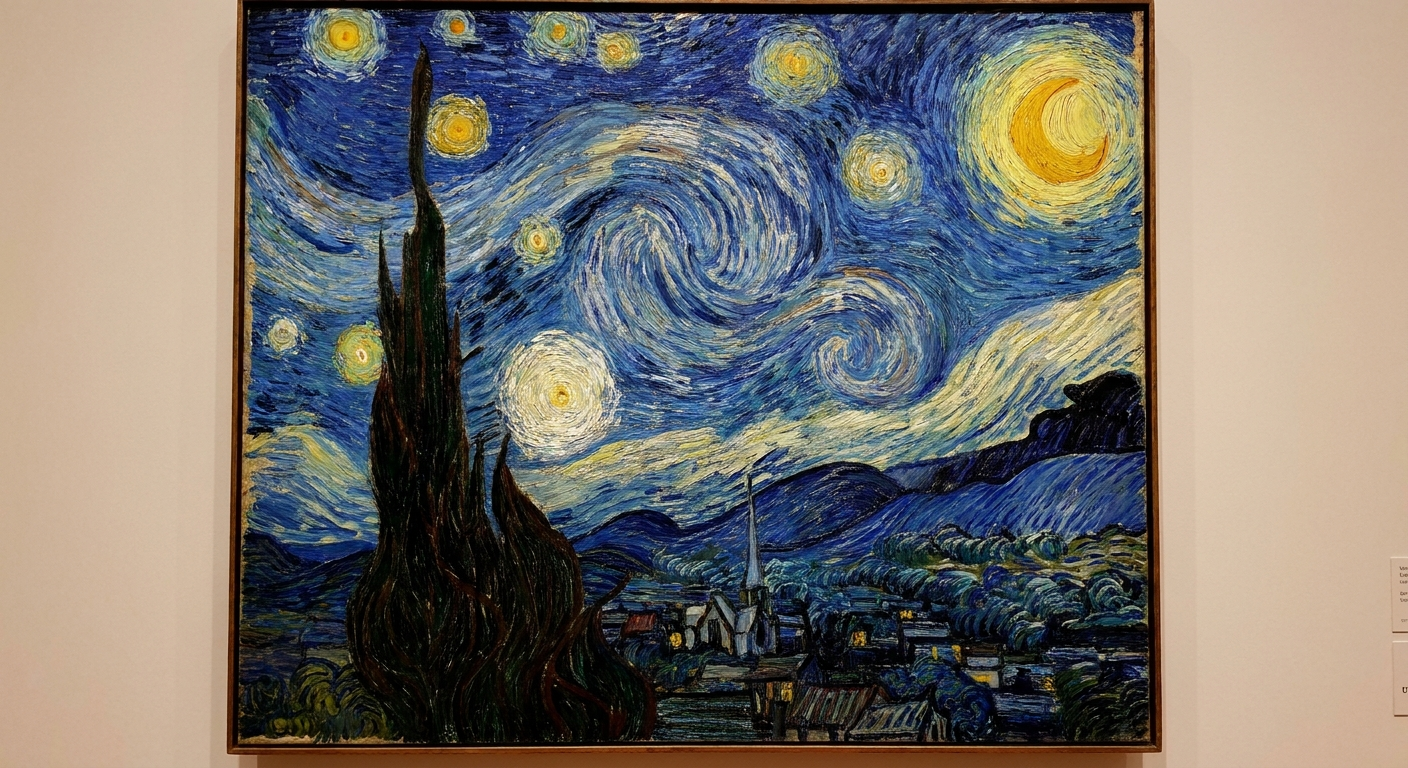
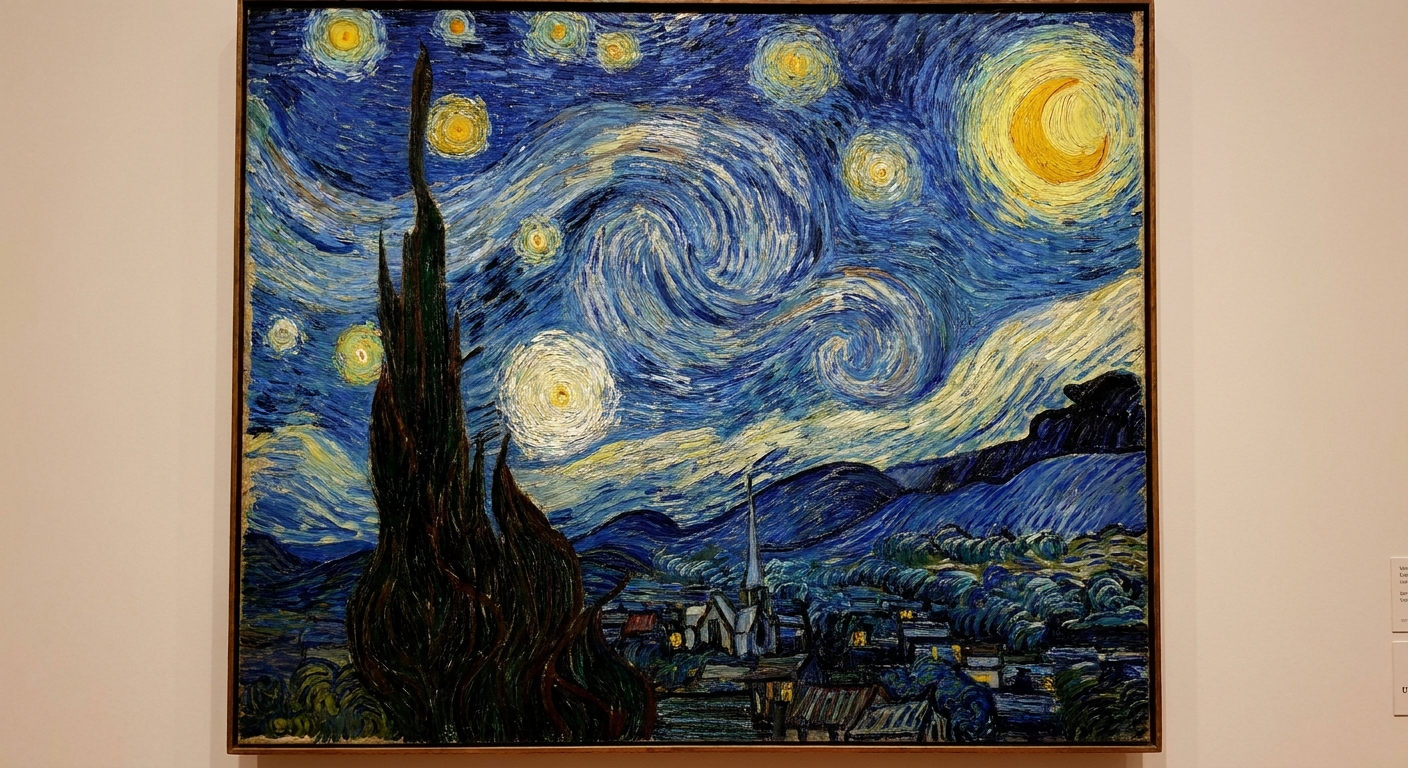
Wikimedia external — Starry Night (generated replacement)
Wikimedia
External images from other sources
Wikipedia / Wikimedia Commons
Image unavailable
Wikimedia — Starry Night by Van Gogh (generated replacement, original Wikimedia URL blocked by Notion)
Placeholder services
Image unavailable
Placehold.co — 600×300 with text overlay
Image unavailable
Picsum — greyscale variant
Image unavailable
Picsum — blurred variant (blur=5)
Edge cases
Very wide image (2400 × 400)
Image unavailable
Ultra-wide 2400×400
Very tall image (400 × 1200)
Image unavailable
Very tall 400×1200
Tiny image (50 × 50)
Image unavailable
Tiny 50×50
Image with text-wrap context
The following image sits between two paragraphs to test vertical spacing and how body copy flows around full-width images. This matters for the Astro renderer since editorial articles frequently alternate between prose blocks and inline imagery.
Image unavailable
Mid-article image — testing spacing between paragraphs
This is the paragraph immediately after the image. The renderer should produce consistent vertical margins above and below the image block, matching the rhythm of paragraph-to-paragraph spacing elsewhere on the page.
A data-driven look at Russian emigration patterns since 2022 — the top destination countries, demographic breakdowns, and what the numbers miss.
Slug
mapping-the-diaspora
Attribute image source
fallback
Blocks
15
Stylised map of Europe with migration flow arrows.
The numbers
Estimates of how many people have left Russia since February 2022 vary widely — from 500,000 to over a million, depending on the source and methodology. What is clear is that it represents the largest wave of Russian emigration since the 1917 revolution.
Top destinations (estimated, cumulative 2022–2026)
Country
Estimated arrivals
Notes
Georgia
80,000–120,000
Visa-free entry; many have since moved on
Armenia
60,000–100,000
Strong IT sector draw; visa-free
Turkey
70,000–90,000
Visa-free; Istanbul and Antalya hubs
Germany
40,000–60,000
Berlin largest single-city concentration in EU
Israel
30,000–50,000
Right of return for eligible emigrants
UAE
25,000–40,000
Dubai as business relocation hub
UK
15,000–25,000
Visa restrictions limit numbers
USA
15,000–20,000
Concentrated in NYC and Bay Area
Who left?
The emigration is not representative of Russian society as a whole. It skews heavily toward:
Politics: Overwhelmingly anti-war, though not necessarily politically active before 2022
The people who left are not Russia's poor or its pensioners. They are its middle class, its entrepreneurs, its future. That is the regime's real loss.
What the numbers miss
The map of the diaspora is not static. Many people have moved two or three times since leaving — from Georgia to Germany, from Turkey to Portugal, from Armenia to the UK. Each move changes the community, the support networks, and the sense of belonging.
interview · 2026-05-01
Masha Gessen on language, identity and the politics of naming
The acclaimed journalist and author discusses how language shapes political reality, the power of naming, and writing in exile.
Slug
masha-gessen-interview
Attribute image source
fallback
Blocks
11
Portrait-style editorial photograph for interview feature.
On language as a political act
ONRS: You've written extensively about how authoritarian regimes manipulate language. Has your thinking on this evolved since leaving Russia?
Masha Gessen: Language is always political, but in exile you become acutely aware of it. When you lose the daily context — the street signs, the overheard conversations, the bureaucratic forms — you start to see your own language from the outside. And that distance can be clarifying.
ONRS: Clarifying how?
Masha Gessen: You notice the words you've been trained to avoid. You notice the euphemisms that have become so embedded they feel like plain speech. "Special military operation" is the obvious example, but there are hundreds of smaller ones.
The first act of resistance is to call things by their real names.
ONRS: How do you navigate writing in English about Russian realities?
Masha Gessen: It's a constant negotiation. Some concepts don't translate — not because the words don't exist, but because the cultural weight behind them is different. Poshlost, for example. Nabokov spent pages trying to explain it.
On exile and audience
ONRS: Who are you writing for now?
Masha Gessen: That's the question every exiled writer faces. The honest answer is: I don't always know. Sometimes I write for the people who left. Sometimes for the people who stayed. Sometimes for the people who have no connection to Russia at all but need to understand what happens when a state decides that truth is optional.
essay · 2026-04-28
Borscht diplomacy: food, identity and the diaspora table
Who owns borscht? A lighthearted but pointed essay on how food becomes a battleground for national identity — and how the diaspora kitchen might be the place where peace is made.
Slug
borscht-diplomacy
Attribute image source
fallback
Blocks
13
Steaming bowl of borscht on a rustic wooden table.
The soup that launched a thousand arguments
In 2022, UNESCO inscribed Ukrainian borscht on its list of intangible cultural heritage in need of urgent safeguarding. The decision was framed as a response to the war, and it was immediately, predictably, contentious.
Russian media called it cultural theft. Ukrainian commentators called it overdue recognition. My Russian-speaking Ukrainian grandmother, who had been making borscht every Sunday for sixty years, called it "nonsense" and went back to chopping beetroot.
Every family's borscht is the correct borscht. This is the only culinary truth I am prepared to defend.
The recipe as battlefield
The borscht debate is, of course, not really about soup. It is about who gets to claim a shared cultural inheritance when the sharing has become impossible.
Ukrainian position: Borscht originates in Ukrainian culinary tradition; Russian claims are colonial appropriation
Russian position: Borscht belongs to a shared Slavic heritage; nationalising it is absurd
Diaspora position: Can we just eat?
At the table
In Berlin, London, and Tbilisi, diaspora kitchens are quietly resolving what diplomats cannot. Russian and Ukrainian cooks share market stalls at community events. Recipes circulate on Telegram without national labels.
The table, it turns out, is more generous than the map.
article · 2026-04-26
Anton Dolin: Cinema from Brother to The Boy's Word
Notes from a conversation on memory, genre and post-Soviet film culture.
Slug
anton-dolin-cinema
Attribute image source
external
Blocks
38
Cinema-themed image for a film article.
Cinema structure test
This article mixes headings, lists, an image and a table to test a future renderer without using react-notion-x.
Film stills and posters should work as ordinary body images.
Dense reference material should survive as blocks, not collapsed plain text.
Image unavailable
Wide image inside the cinema article.
Period
Example
Renderer need
1990s
Brother
Plain table row
2020s
The Boy's Word
Comparison row
Extended block test
Toggle headings
Toggle heading 2 — Film eras
The 1990s saw a wave of raw, low-budget cinema that captured post-Soviet disillusionment. By the 2020s, production values rose and streaming reshaped distribution.
Andrei Zvyagintsev — The Return (2003), Leviathan (2014)
Zhora Kryzhovnikov — The Boy's Word (2023)
Equations in context
The relationship between screen time t and audience retention R can be modelled as:
R(t) = R_0 \cdot e^{-\lambda t} + C
where R_0 is initial engagement, \lambda is the decay constant, and C represents baseline loyalty.
Rich callouts
Mermaid diagrams
mermaid
timeline
    title Post-Soviet Cinema Eras
    1990s : Brother
         : Prisoner of the Mountains
    2000s : The Return
         : Night Watch
    2010s : Leviathan
         : Loveless
    2020s : The Boy's Word
         : Captain Volkonogov Escaped
mermaid
graph TD
    A["Soviet Studio System"] --> B["1990s Collapse"]
    B --> C["Independent Auteurs"]
    B --> D["Commercial Genre Films"]
    C --> E["International Festival Circuit"]
    D --> F["Domestic Blockbusters"]
    E --> G["Global Streaming (2020s)"]
    F --> G
Multi-line quote with formatting
Cinema is a mirror that shows us not who we are,
but who we are afraid of becoming.
Every frame is a choice — a decision about what to reveal
and what to leave in the dark.
Columns with varied content
🎞️ Soviet era
Year
Film
1972
Solaris
1979
Stalker
🆕 Post-Soviet era
Brother — street realism
Night Watch — blockbuster fantasy
Leviathan — art-house drama
The Boy's Word — streaming-era series
Why this matters
The shift from state-controlled studios to independent production fundamentally changed what stories could be told.
Colored text showcase
Some films burn red hot in the cultural memory, while others fade to gray. The best work sits in a luminous space between poetry and provocation.
A deep dive into the fate of private book collections confiscated during the Soviet era and the ongoing efforts to catalogue what remains.
Slug
lost-libraries-moscow
Attribute image source
fallback
Blocks
12
Dusty shelves of rare books in a dimly lit archive room.
The quiet work of remembering
In a basement beneath the Russian State Library, rows of uncatalogued volumes sit in climate-controlled silence. Many have no known owner. Some bear inscriptions — a name, a date, a city that no longer exists under that name.
Every book that survives is a small act of defiance against forgetting.
The scale of confiscation during the Soviet period remains difficult to quantify. Estimates range from tens of thousands to millions of volumes, taken from private collections, religious institutions, and dissolved organisations.
What we know
1920s–1930s: Mass confiscations during collectivisation and anti-religious campaigns
1940s: Wartime looting and "trophy" libraries brought from occupied territories
1950s–1980s: Quieter but steady absorption of dissident libraries by state institutions
The cataloguing effort
Since 2018, a small team of volunteer archivists has been working to identify provenance markers — bookplates, stamps, marginalia — that can link volumes back to their original owners or collections.
The work is painstaking and underfunded, but it represents something larger: the insistence that ownership, history, and cultural identity matter even when the state has tried to erase them.
article · 2026-04-08
Saturday schools: how the diaspora teaches its children Russian
Across Europe, weekend Russian-language schools are booming — but the curriculum has become a minefield. What do you teach children about a homeland that is waging war?
Slug
saturday-schools-diaspora
Attribute image source
fallback
Blocks
16
Children sitting at desks in a bright community hall classroom.
The hardest lesson
Every Saturday morning in a church hall in Hammersmith, thirty children aged five to fourteen sit down to learn Russian. They conjugate verbs, recite poetry, and argue about whether Cheburashka is better than Peppa Pig.
It looks like any language class. It is anything but.
The boom
Since 2022, enrolment in Russian-language Saturday schools across Western Europe has surged:
City
Schools (2021)
Schools (2026)
Growth
London
8
14
+75%
Berlin
12
21
+75%
Paris
5
9
+80%
Tbilisi
3
11
+267%
The curriculum question
The language itself is straightforward. The culture is not.
Do you teach Pushkin? (Yes, but do you mention the imperial context?)
Do you celebrate Maslenitsa? (Yes, but what about the Z-symbol pancakes that went viral?)
Do you use Russian state-published textbooks? (Absolutely not — but alternatives are scarce and expensive)
We want our children to love the language without loving the regime. That requires a curriculum that does not yet exist.
Building something new
A consortium of diaspora educators is developing an open-source Russian-language curriculum — politically neutral, culturally rich, and freely available. The first modules are expected in late 2026.
essay · 2026-04-02
The weight of two alphabets
A personal essay on growing up bilingual in Russian and Ukrainian, and what happens to language when borders become walls.
Slug
weight-of-two-alphabets
Attribute image source
fallback
Blocks
11
Close-up of handwritten Cyrillic text on aged paper.
Two languages, one mouth
I grew up speaking Russian at school and Ukrainian at home. This was not unusual in Kharkiv in the 1990s. The two languages lived side by side in my head, occasionally borrowing from each other, never quite separating.
My grandmother called this surzhyk and disapproved. My mother called it normal.
Language is not a flag. It is a river — it flows where the ground allows.
When the border moved
After 2014, and especially after 2022, the relationship between Russian and Ukrainian shifted from coexistence to confrontation. Friends who had spoken Russian their entire lives switched to Ukrainian overnight — not because they didn't know it, but because the political weight of each word had changed.
I understood. I did the same.
What is lost
The loss is not linguistic — both languages are rich and beautiful and will survive. The loss is the space between them: the jokes that only work if you know both, the songs that switch mid-verse, the family arguments where everyone is speaking a different language and nobody notices.
That space was home. I don't know if it still exists.
essay · 2026-03-22
Watching Tarkovsky in Tbilisi
An essay on how Georgian cinema clubs have kept the spirit of Soviet-era art-house film alive, and what it means for a new generation.
Slug
tarkovsky-tbilisi
Attribute image source
fallback
Blocks
11
A small cinema screening room with projected film light.
A projector, a basement, and forty strangers
Every Thursday evening in Tbilisi's Vera district, a projector flickers to life in a converted wine cellar. The audience — students, expats, retirees, a few tourists who found the listing on Telegram — settles into mismatched chairs.
Tonight it is Stalker. It is always, eventually, Stalker.
Cinema is a mosaic made of time.
Why Georgia?
Georgia's relationship with Russian culture is complicated — shaped by centuries of imperial pressure, a brief war in 2008, and the ongoing presence of tens of thousands of Russian emigrants since 2022. Yet Georgian cinephilia has always had room for Tarkovsky, Paradjanov, and the broader tradition of poetic cinema.
The new audience
What strikes me most is the age of the audience. Half are under thirty. They have grown up with YouTube and TikTok, yet here they are, sitting through a 163-minute meditation on faith and decay.
Perhaps the appeal is precisely the slowness — the antidote to the scroll.
article · 2026-03-15
Permafrost and politics: climate research in Siberia under sanctions
International sanctions have severed scientific collaborations that tracked melting permafrost across Siberia. The data gaps are growing — and so is the methane.
Slug
permafrost-politics-siberia
Attribute image source
fallback
Blocks
16
Aerial photograph of cracked tundra landscape in northern Siberia.
The data is melting
For twenty years, a network of Russian, Finnish, and German research stations tracked permafrost degradation across a 4,000-kilometre transect of northern Siberia. The data they collected was among the most granular in the world — temperature profiles, methane flux measurements, soil moisture readings, taken daily at over 200 monitoring points.
In March 2022, that network went dark.
What happened
Sanctions did not explicitly ban climate research. But they severed the financial, logistical, and institutional connections that made collaboration possible:
Funding: EU and national grants could no longer flow to Russian partner institutions
Equipment: Replacement sensors, calibration tools, and satellite uplinks could not be shipped
Personnel: Visa restrictions made fieldwork exchanges impossible
Data sharing: Russian institutions withdrew from open-data agreements
We are flying blind over one of the most climate-sensitive regions on Earth.
The stakes
Siberian permafrost contains an estimated 1,500 gigatonnes of organic carbon — roughly twice the amount currently in the atmosphere. As it thaws, it releases methane and CO₂, creating a feedback loop that accelerates warming.
What comes next
Some researchers are working around the restrictions — using satellite data, informal contacts, and third-country intermediaries. But remote sensing cannot replace ground-truth measurements, and the longer the gap persists, the harder it will be to reconstruct the baseline.
article · 2026-03-08
Five books that shaped the Russian dissident imagination
From Bulgakov to Shalamov, a curated reading list exploring the literary roots of Russian dissent.
Slug
five-books-dissident-imagination
Attribute image source
fallback
Blocks
15
Stack of well-worn paperback books on a wooden surface.
A reading list for difficult times
Literature has always been central to Russian political life — not as propaganda, but as the space where truth could be spoken when all other spaces were closed. These five books are not a canon; they are a starting point.
1. The Master and Margarita — Mikhail Bulgakov (1967)
A satire so layered that Soviet censors couldn't decide what to cut. The Devil visits Moscow and exposes the cowardice, corruption, and absurdity of the literary establishment. It remains the most-read novel in the Russian language for good reason.
2. Kolyma Tales — Varlam Shalamov (1978)
Short stories from the Gulag, written with a clinical precision that makes them more devastating than any polemic. Shalamov believed that the camp experience could not be captured by traditional narrative — only by fragments.
3. Life and Fate — Vasily Grossman (1980)
The KGB confiscated the manuscript. An officer told Grossman it could not be published for two hundred years. It was smuggled out on microfilm and published in the West. A novel about Stalingrad that is really about the nature of freedom.
4. The Gulag Archipelago — Aleksandr Solzhenitsyn (1973)
The book that made the Gulag undeniable. Solzhenitsyn is a complicated figure, but this work — part history, part memoir, part moral argument — changed the world's understanding of Soviet repression.
5. Generation "P" — Victor Pelevin (1999)
A post-Soviet satire about advertising, identity, and the construction of reality. Pelevin saw what was coming before most: a Russia where truth and fiction would become indistinguishable by design.
article · 2026-02-28
The long arm of the law: extraterritorial prosecution of dissent
Russia's use of Interpol red notices, in-absentia criminal cases, and diplomatic pressure to pursue critics abroad. A legal analysis.
Slug
extraterritorial-prosecution-dissent
Attribute image source
fallback
Blocks
22
Scales of justice superimposed over a map of Europe.
Beyond borders
Leaving Russia does not mean leaving its legal system behind. Since 2022, the Russian state has dramatically expanded its use of extraterritorial legal tools to pursue journalists, activists, and ordinary citizens who have spoken out against the war.
The toolkit
Interpol Red Notices: Requests to foreign law enforcement to locate and provisionally arrest individuals. Russia has filed hundreds since 2022, many flagged by Interpol's own review body as politically motivated.
In-absentia criminal cases: Charges filed against individuals who have left the country, often under vague statutes like "spreading false information about the armed forces" (Article 207.3).
Asset freezes and property seizure: Targeting the Russian-based assets of those abroad.
Diplomatic pressure: Informal requests to host countries to restrict the activities of diaspora organisations.
The numbers
Legal defences
Several organisations provide legal support to those targeted:
OVD-Info: Tracks cases and provides legal referrals
First Department: Specialises in security-service-related cases
Memorial (successor organisations): Human rights documentation and legal advocacy
The goal is not always conviction. The goal is fear. A Red Notice means you cannot travel freely, open a bank account easily, or live without looking over your shoulder.
What host countries can do
The article concludes with recommendations for European governments on how to better screen politically motivated Interpol requests and protect the rights of political exiles within their borders.
Image unavailable
Interview placeholder preview
Image unavailable
Essay placeholder preview
video · 2026-02-14
Voices from Berlin: Three stories of relocation
A short documentary featuring three Russians who relocated to Berlin after 2022, exploring what they brought, what they left, and how they are rebuilding.
Slug
voices-from-berlin
Attribute image source
fallback
Blocks
9
Still frame from documentary showing a person looking out a window.
About this film
Voices from Berlin is a 22-minute documentary produced for the ONRS screening series. It follows three people — a teacher, a software engineer, and a retired journalist — through their first year in Berlin.
Synopsis
Each subject was asked to bring one object from their former life in Russia and explain its significance. The film intercuts their stories with footage of Berlin's Russian-speaking neighbourhoods, community centres, and informal gathering spaces.
Screening information
This film was first shown at the ONRS Berlin Screening Event in February 2026. A Q&A with the director followed.
The video embed will be available when the Astro renderer supports the video block type. For now, the article serves as a landing page with metadata for the CMS.
video · 2026-01-05
Rehearsing in exile: the Meyerhold Project in Amsterdam
A short film following a group of exiled Russian theatre actors as they rehearse a new production in Amsterdam, grappling with language, identity, and the meaning of performance without a homeland.
Slug
meyerhold-project-amsterdam
Attribute image source
fallback
Blocks
13
Theatre rehearsal in a bare studio space with dramatic lighting.
A stage without a country
The Meyerhold Project is a 18-minute documentary that follows six Russian theatre actors who left Russia between 2022 and 2024. They have reconvened in Amsterdam to create a new production — in Russian, for an audience that mostly doesn't speak it.
Why Meyerhold?
Vsevolod Meyerhold was a revolutionary theatre director who was arrested, tortured, and executed by Stalin's secret police in 1940. His name has become a symbol of artistic freedom destroyed by state power. The company chose it deliberately.
We rehearse in a language our audience doesn't understand. But theatre was never only about words.
The production
The piece they are rehearsing is an adaptation of Daniil Kharms's absurdist short stories — texts that were themselves suppressed during the Soviet period. The irony is not lost on anyone.
Screening
First screened at the ONRS Amsterdam event in January 2026.
The video embed will be available when the Astro renderer supports the video block type.
interview · 2025-11-13
Artemy Troitsky — Two Centuries of Rebellion: A Russian Rock Story
Legendary critic Artemy Troitsky traces two centuries of rebellion through the story of Russian rock and music as resistance.
Slug
troitsky
Attribute image source
fallback
Blocks
6
Article attribute image
Image unavailable
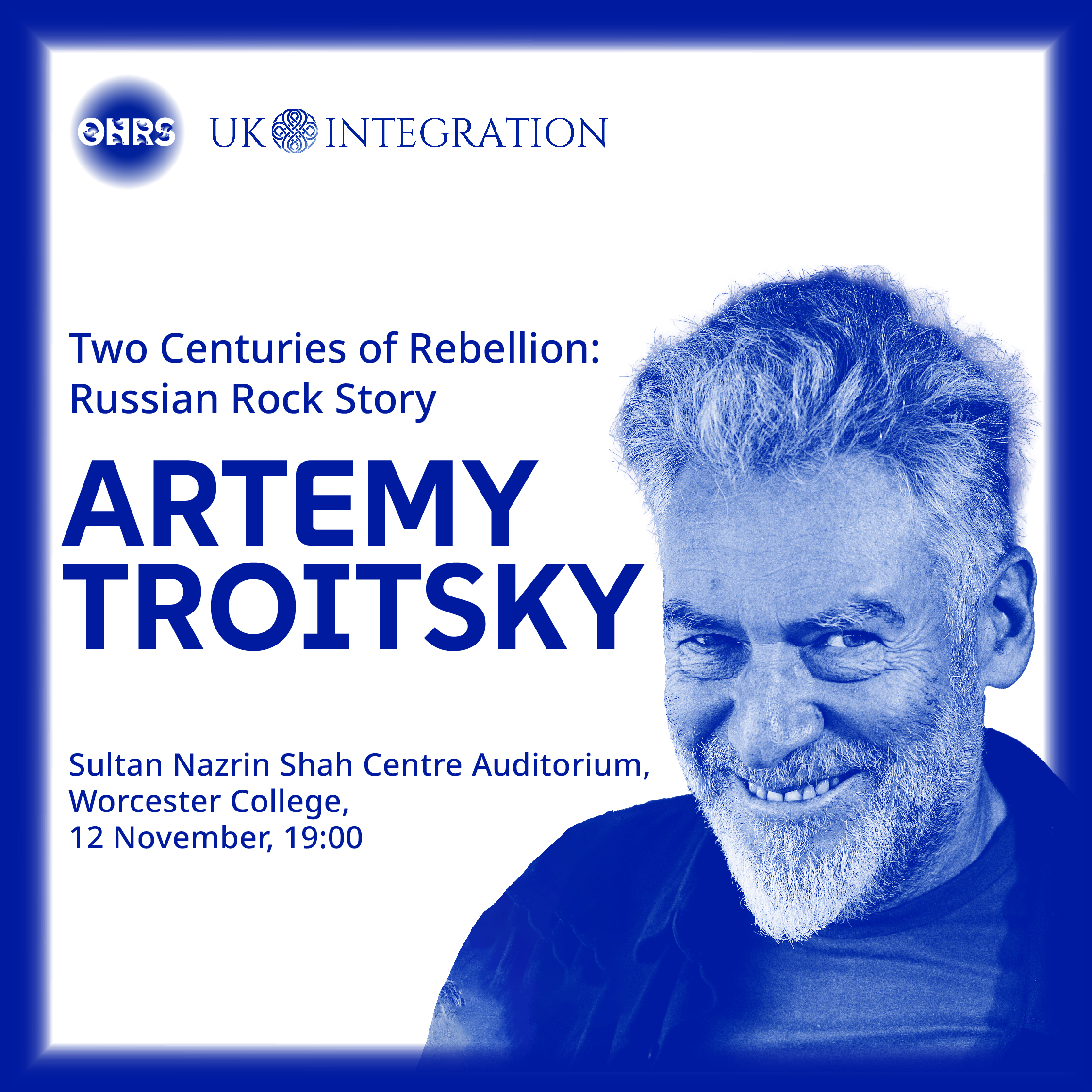
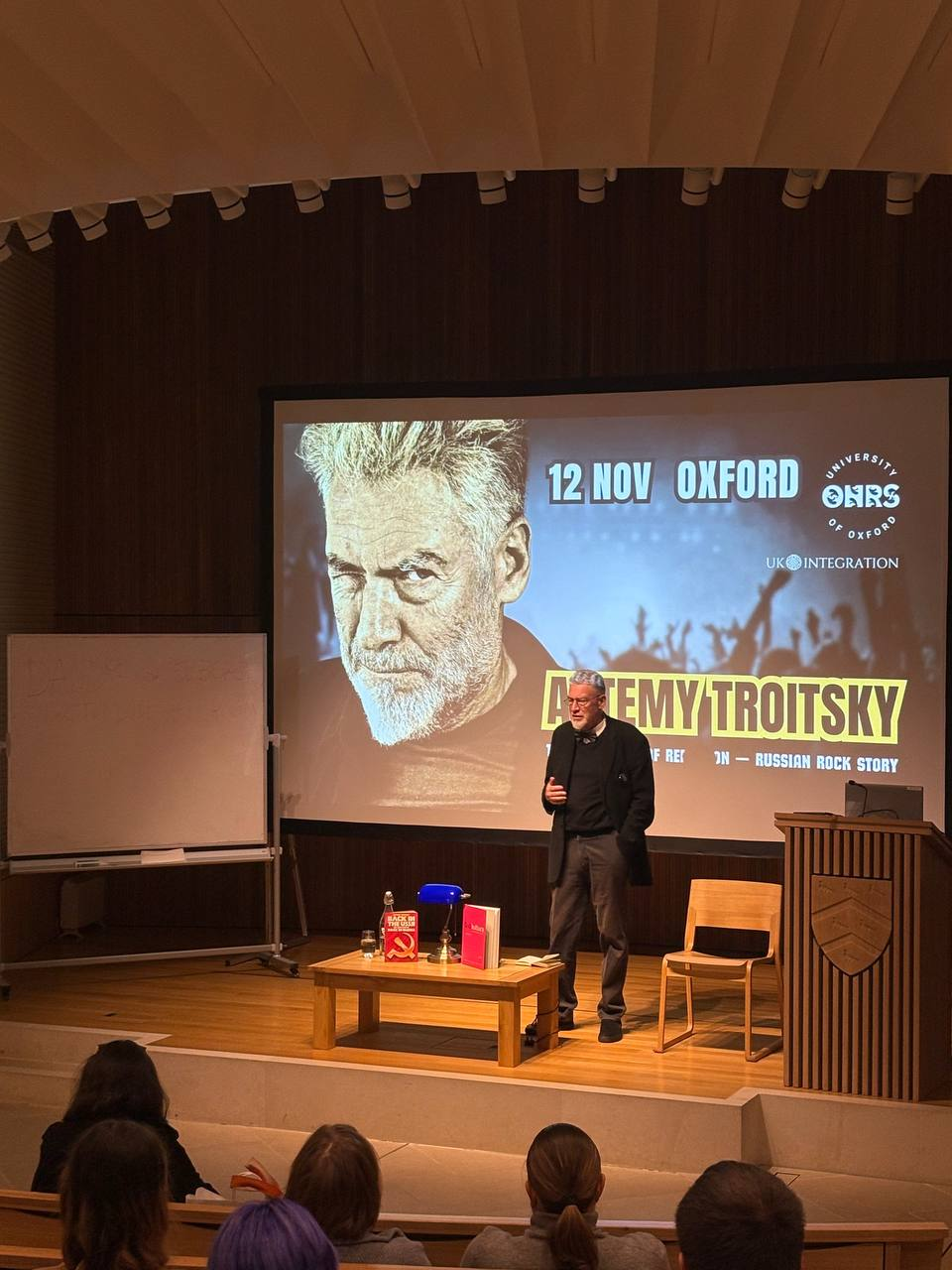
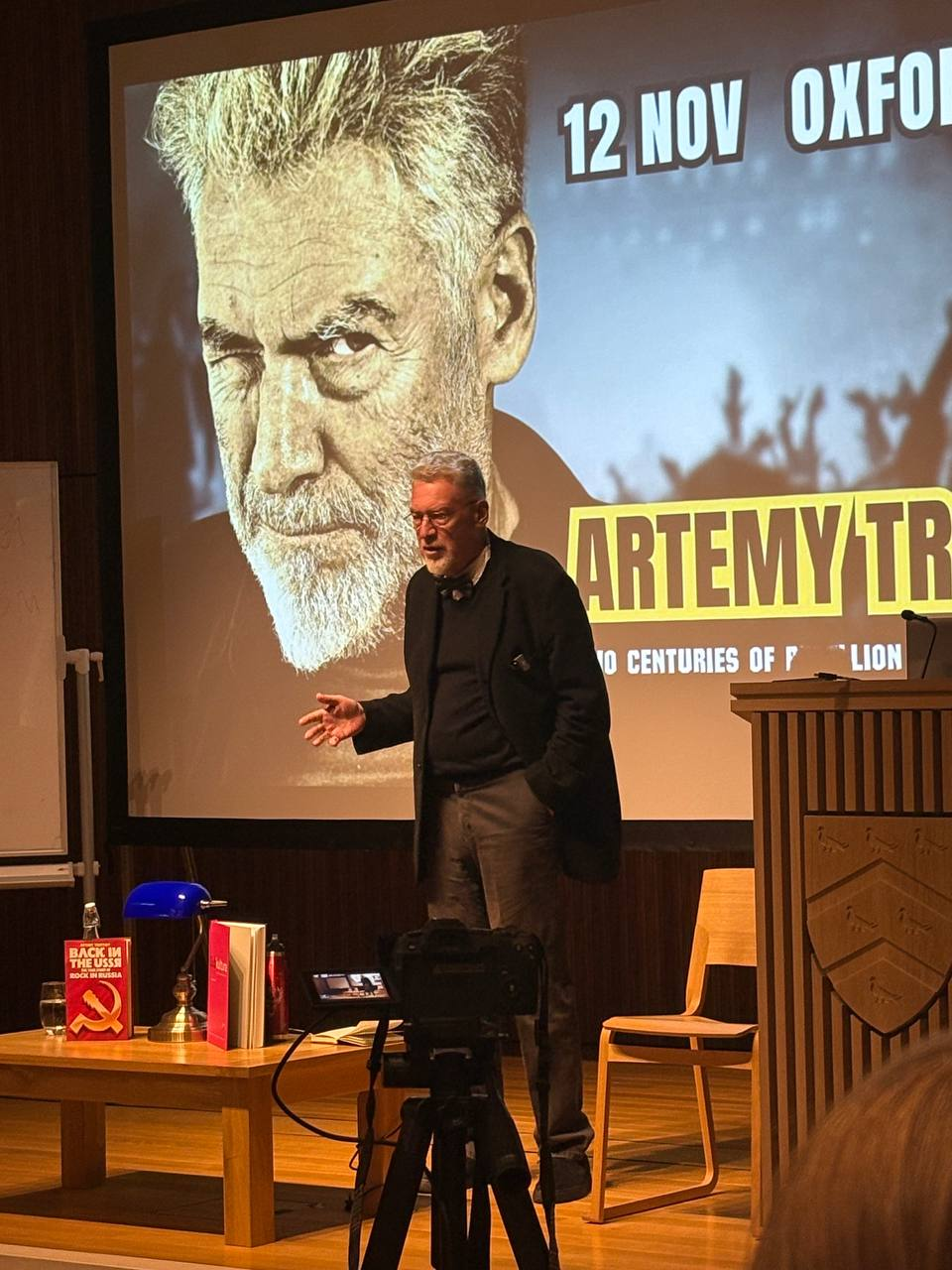
On 12 November 2025, we were joined by a legendary music critic Artemy Troitsky for an unforgettable lecture on the history of Russian rock.
Artemy Troitsky is one of the most influential voices in Russian and post-Soviet culture — journalist, lecturer, and author of iconic books such as Back in the USSR: The True Story of Rock in Russia, Subkultura: Stories of Youth and Resistance in Russia, and Pop-Soviet: The Story of Russian Pop and Rock Music.
Through his writing and public talks, Troitsky has chronicled the relationship between music, politics, and rebellion — showing how art became a form of resistance and identity.
Thank you to everyone who joined us for this memorable evening!
Image unavailable
Image unavailable
interview · 2025-11-08
Anton Dolin: The Bad Russians — Cinema from "Brother" to "The Boy's Word"
Film critic Anton Dolin on Russian cinema's morally complex "bad" heroes, from Balabanov's Brother to The Boy's Word, in conversation with Artemii Levkoy.
Slug
dolin
Attribute image source
fallback
Blocks
6
Article attribute image
Image unavailable
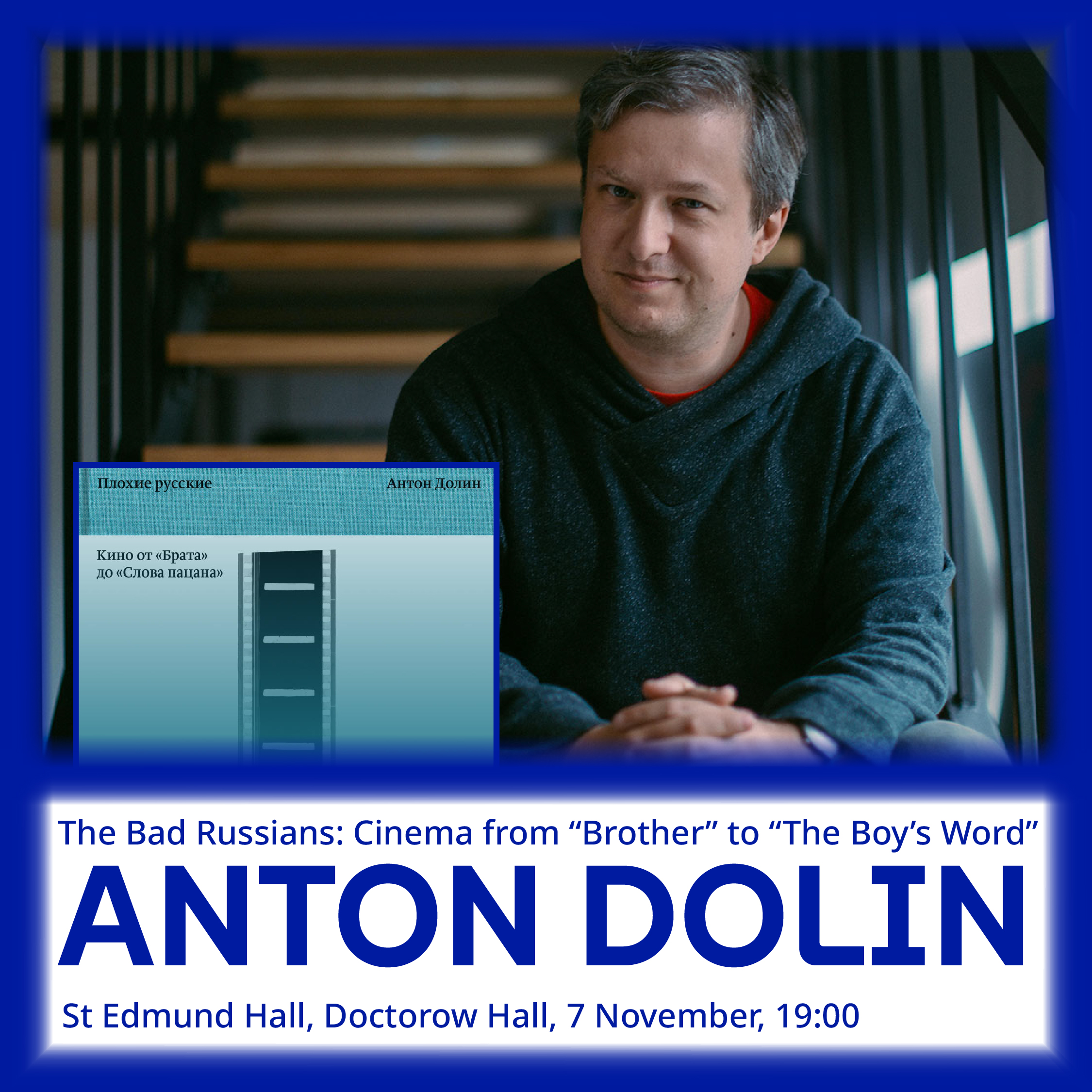
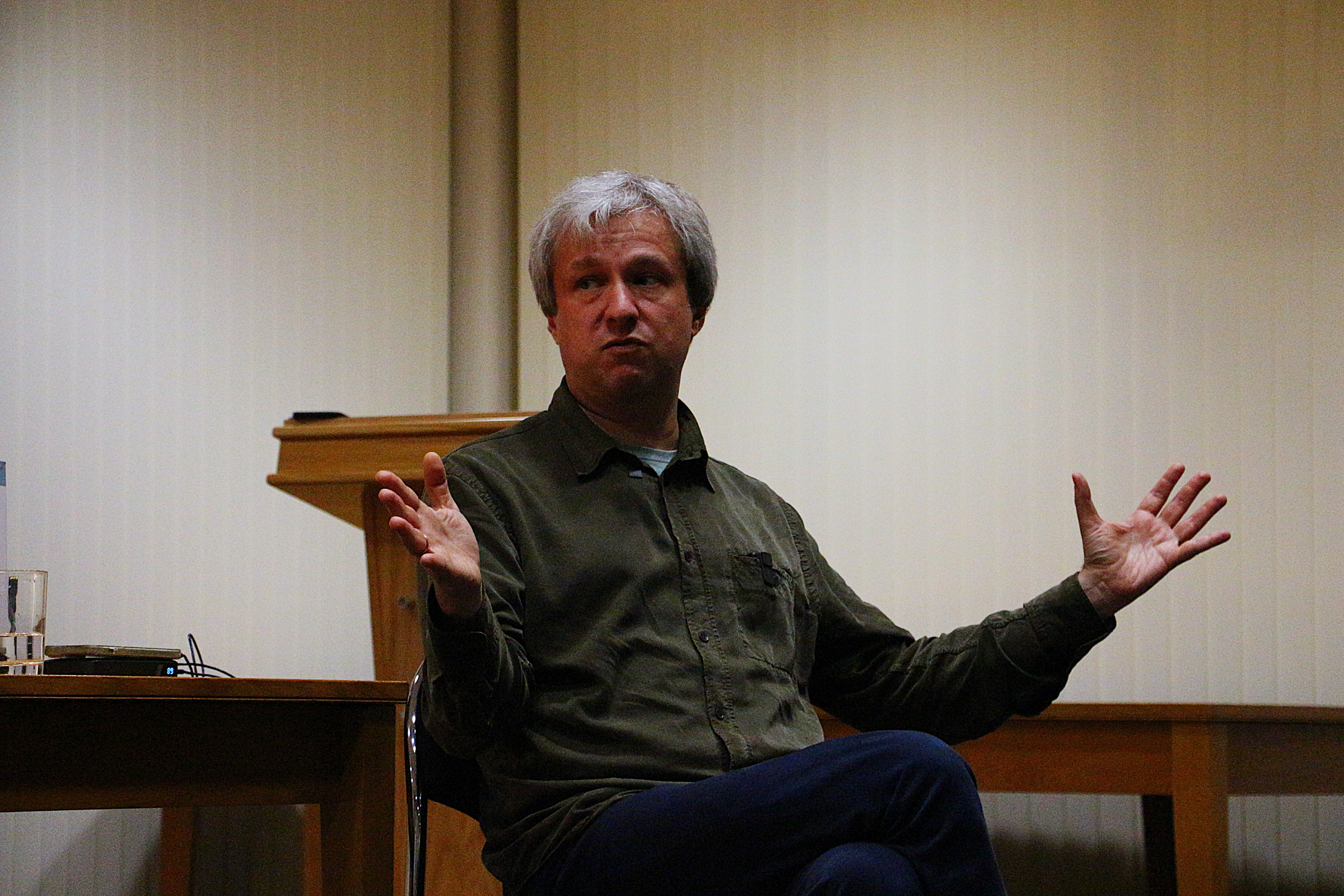
We were delighted to welcome Anton Dolin @critic_dolin, one of the most prominent voices in contemporary Russian film criticism. Dolin is a journalist, writer, and lecturer, known for his thoughtful and often provocative reflections on cinema's relationship with society, culture, and politics.
He served as the editor-in-chief of Iskusstvo Kino (The Art of Cinema), Russia's oldest and most influential film magazine, and has been a regular contributor to major media outlets including Radio Mayak, Echo of Moscow, and Meduza.
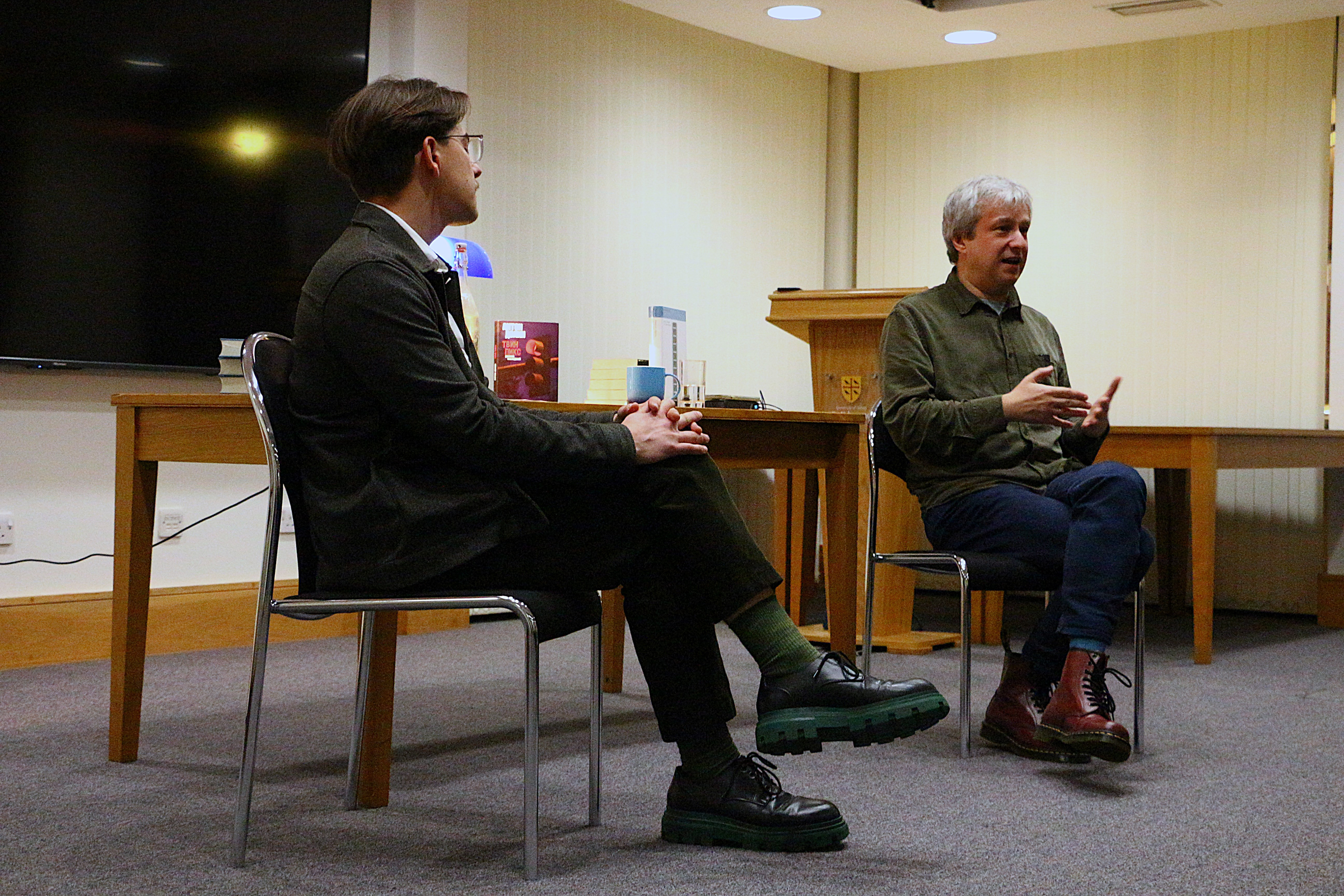
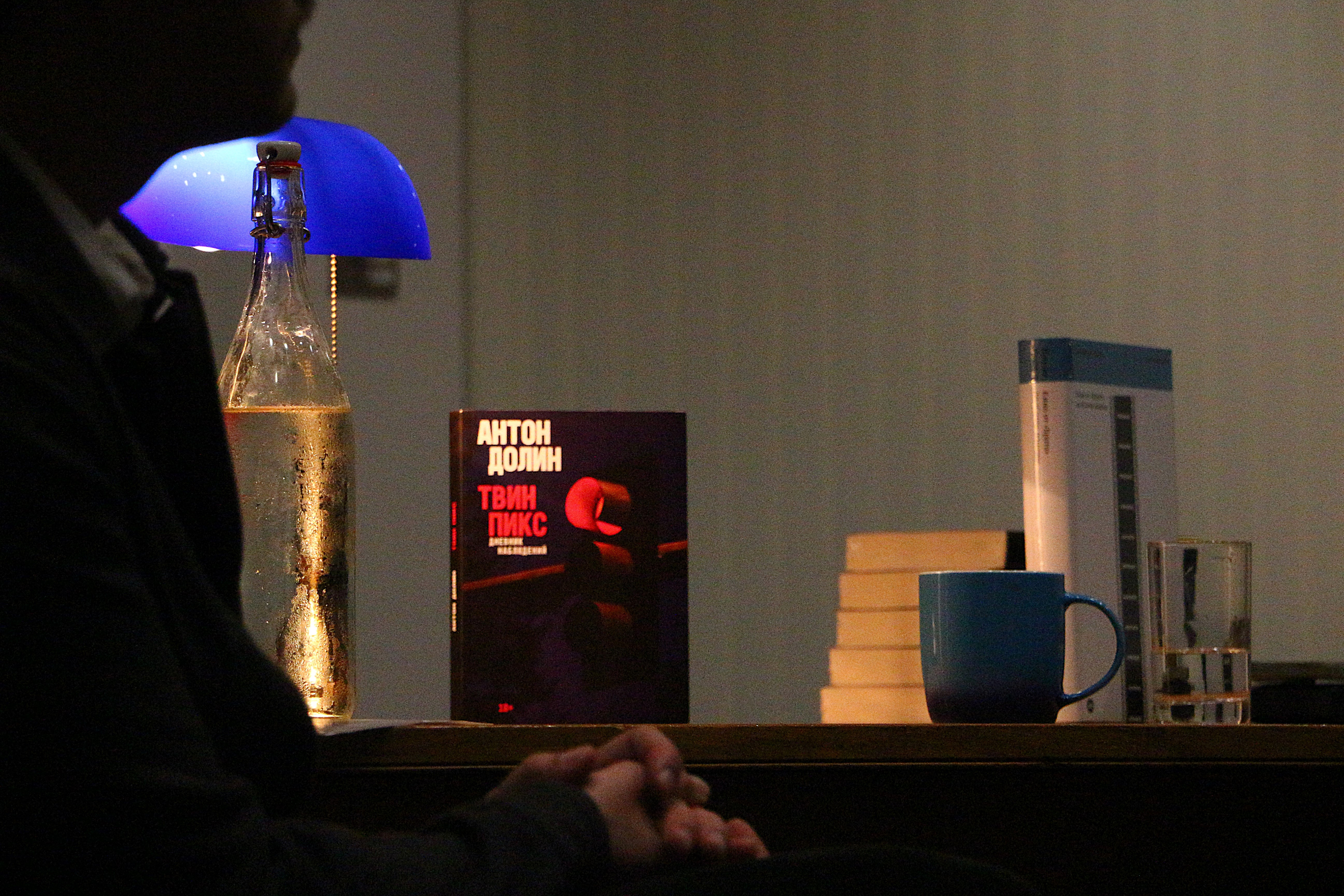
In conversation with Artemii Levkoy @comrade.matthiola, Dolin discussed how Russian films have portrayed morally complex, "bad" heroes — from Balabanov's Brother to the recent phenomenon The Boy's Word — and what these characters reveal about post-Soviet identity and values.
Image unavailable
Image unavailable
Image unavailable
Image unavailable
essay · 2025-10-29
Returning the Names
How public remembrance, archives and student communities can meet.
Slug
returning-the-names
Attribute image source
external
Blocks
39
Archive and memory-themed image for an essay.
Essay layout test
This body checks longer prose, nested layout blocks and image handling in an essay-style page.
Left column: short archive note.
Image unavailable
Square image in the left column.
Right column: accompanying context for memory work and public records.
The archive gives scattered lives a public record, and makes memory harder to erase.
Extended block test
Rich text paragraph
Memory work involves bold claims, careful nuance, outdated methods, underlined emphasis, archival codes, and links to external resources. Combine them: bold with *nested italic* and strikethrough with code.
<article class="essay">
  <header>
    <h1>Returning the Names</h1>
    <time datetime="2025-10-29">29 October 2025</time>
  </header>
  <section class="body">
    <p>How public remembrance, archives and student communities can meet.</p>
  </section>
</article>
flowchart TB
    subgraph Collection["1. Collection"]
        A["Personal archives"] --> D["Central repository"]
        B["Institutional records"] --> D
        C["Oral histories"] --> D
    end
    subgraph Processing["2. Processing"]
        D --> E["OCR & transcription"]
        E --> F["Translation"]
        F --> G["Metadata tagging"]
    end
    subgraph Publication["3. Publication"]
        G --> H["Website"]
        G --> I["Exhibition"]
        G --> J["Academic database"]
    end
Colored headings
Red heading
Paragraph under a red heading.
Blue heading
Paragraph under a blue heading.
Green-background heading
Paragraph under a green-background heading.
Three-column layout with mixed blocks
📜 Sources
Memorial International
Sakharov Centre
Regional archives
Private collections
🔢 By the numbers
✅ Progress
Complex table
Region
Records digitised
Status
Priority
Moscow
1,240,000
Complete
—
St Petersburg
890,000
Complete
—
Novosibirsk
310,000
In progress
High
Magadan
45,000
Blocked
Critical
Deeply nested quotes and lists
The act of naming is itself a political act.When a state erases names, citizens must write them back.
Archival layers
Federal
FSB archives (restricted)
Declassified subsets
Individual case files
State archives (partially open)
Regional
Municipal records
Church registries
Personal
Family letters
Diaries and memoirs
interview · 2025-10-15
Frontline Journalism: In Conversation with Luke Harding
Guardian foreign correspondent Luke Harding on frontline reporting from Ukraine and Russia, in conversation with Artemii Levkoy.
Slug
harding
Attribute image source
fallback
Blocks
9
Article attribute image
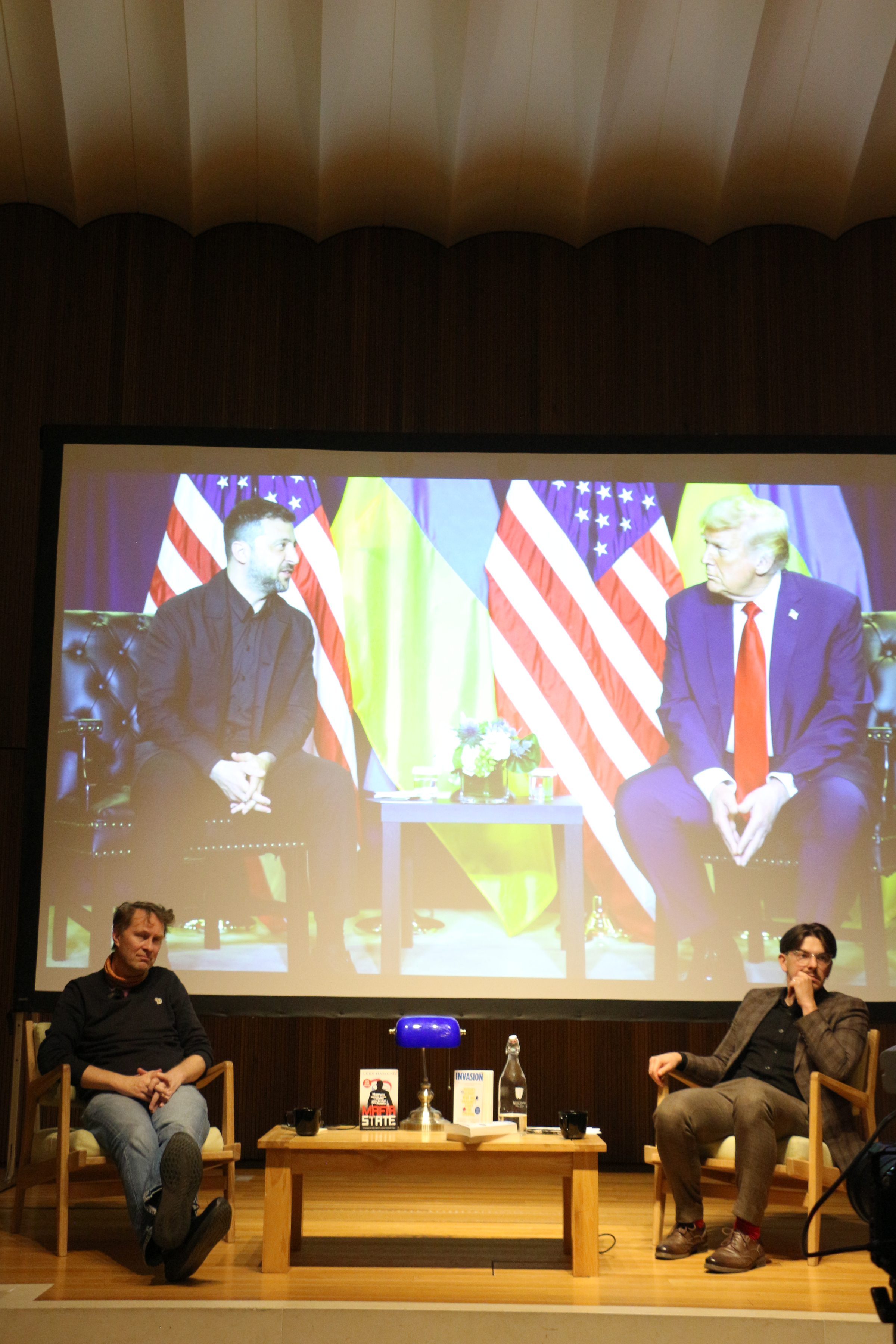
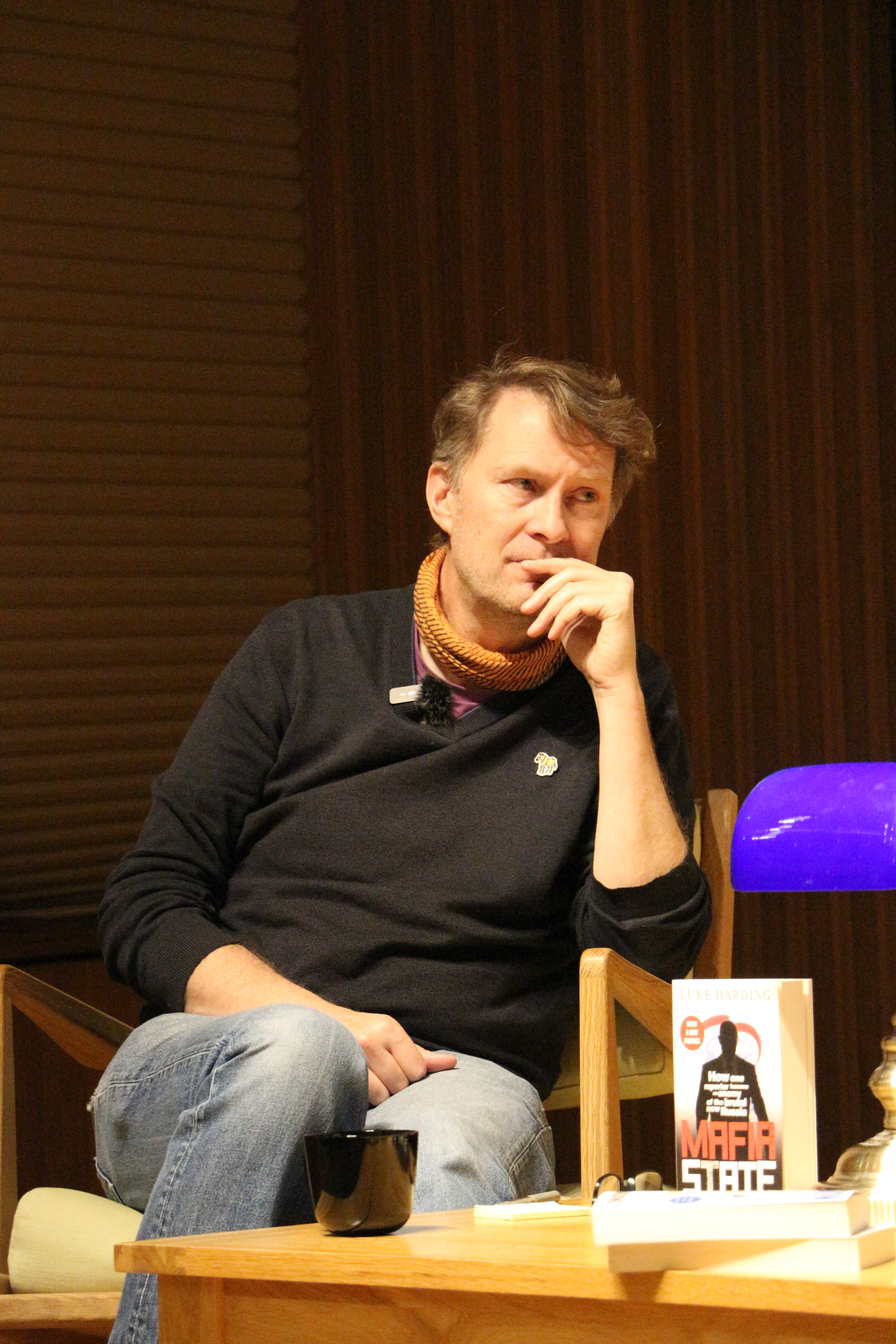
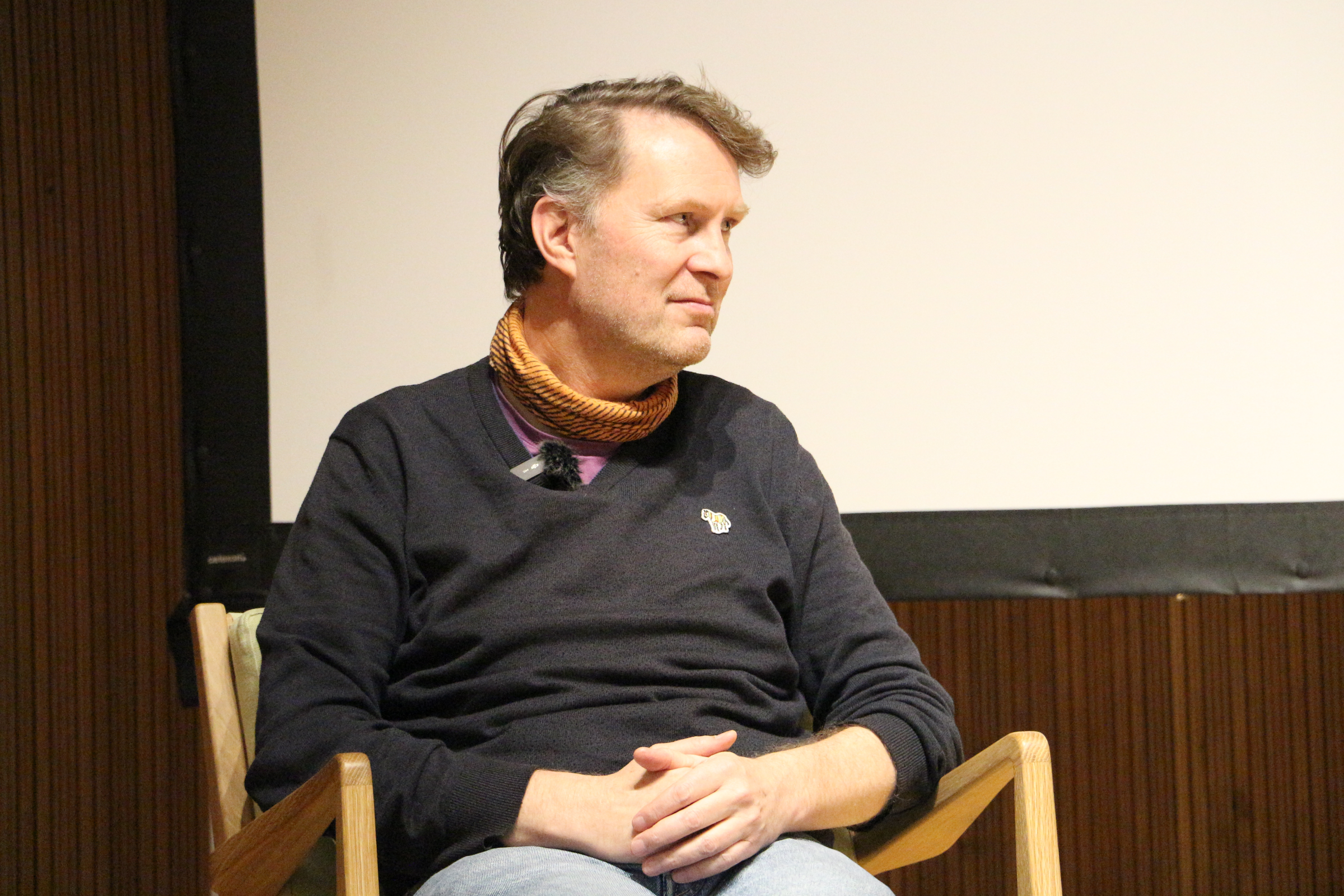
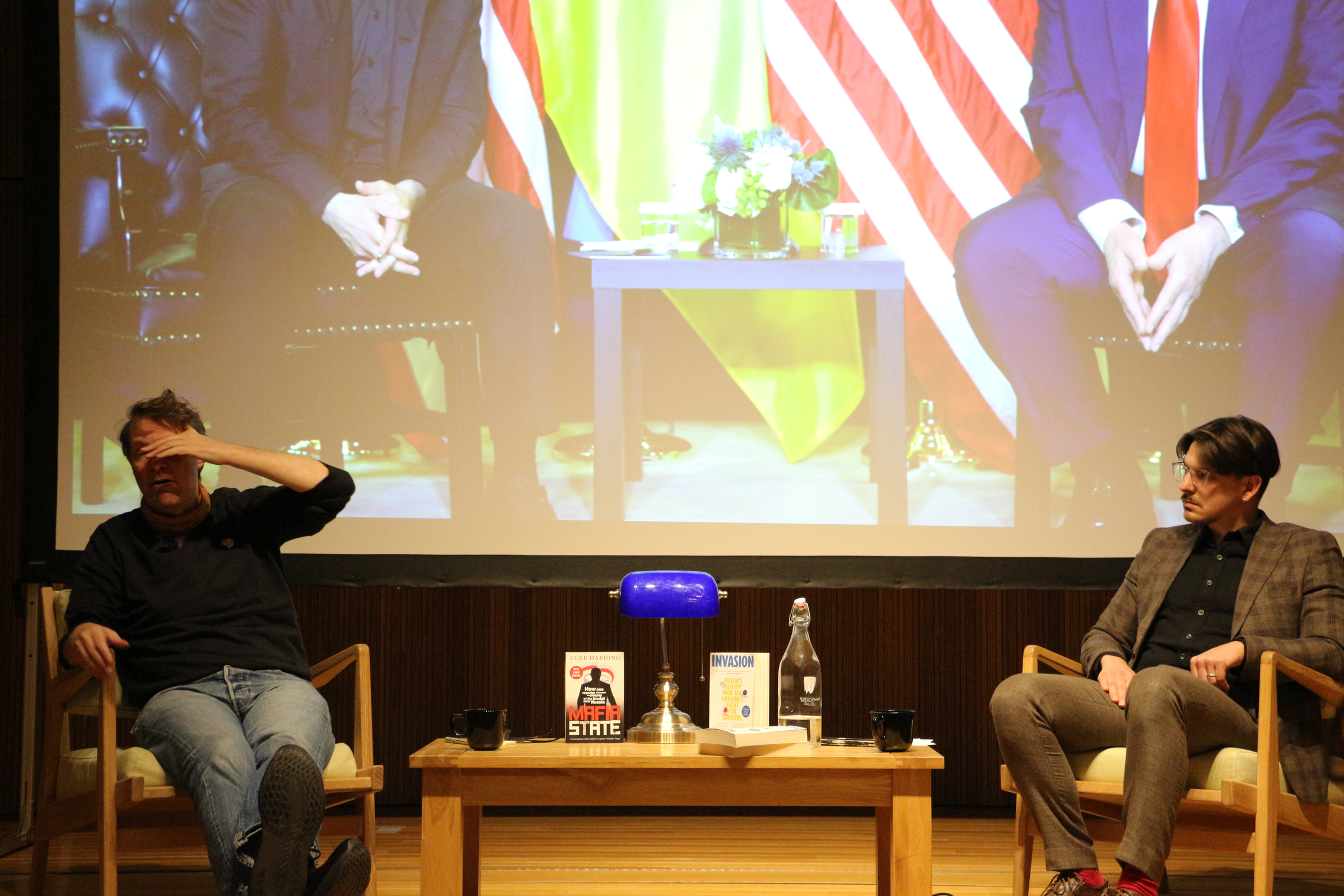
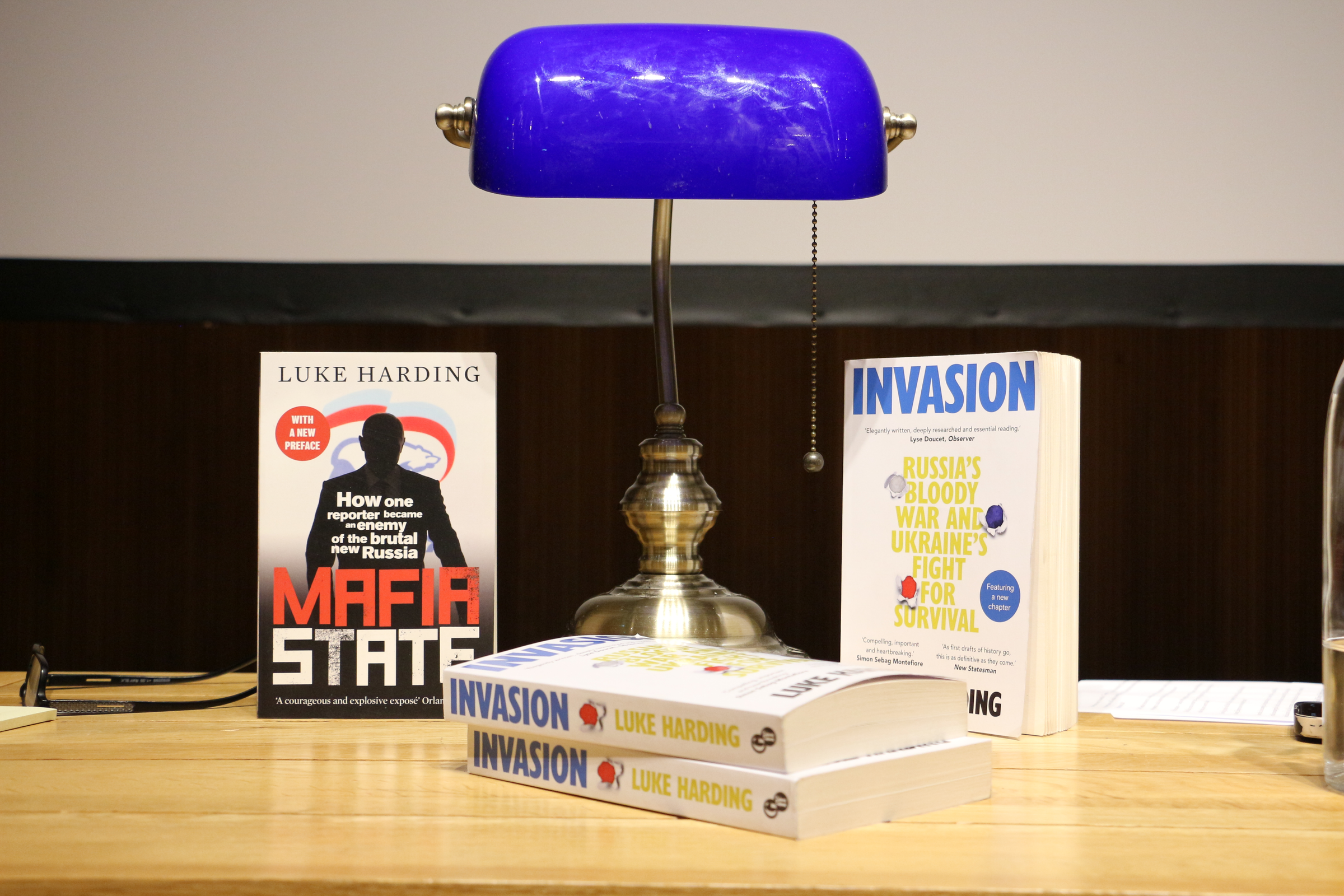
We were delighted to host Luke Harding — award-winning British journalist, author, and senior foreign correspondent at The Guardian. He has reported from Ukraine, Afghanistan, Russia and beyond, and written bestsellers including Mafia State: How One Reporter Became an Enemy of the Brutal New Russia and, most recently, Invasion: Russia's Bloody War and Ukraine's Fight for Survival.
In conversation with Artemii Levkoy, Luke discussed frontline reporting — and shared his insights on the war in Ukraine and what may come next.
Thank you to everyone who attended this conversation with one of today's leading investigative journalists.
Image unavailable
Image unavailable
Image unavailable
Image unavailable
Image unavailable
article · 2025-06-21
How to Study a Closing Country: A Lecture by Ekaterina Schulmann
Political scientist Ekaterina Schulmann on studying a closing Russia by rational methods — what the system learned from mobilisation, and what brings authoritarian regimes down.
Slug
Schulman
Attribute image source
fallback
Blocks
9
Article attribute image
On 21 June 2025, ONRS had the honour of hosting Ekaterina Schulmann for a lecture titled “How to Study a Closing Country: Expertise in Times of Official Secrecy, Data Distortion, and Propaganda.”
Ekaterina Schulmann is a leading Russian political scientist known for her work on legislative processes, bureaucratic systems, and decision-making in modern autocracies, with a particular focus on Russia. Since relocating to Berlin in 2022, she has become a non-resident scholar at the Carnegie Russia Eurasia Center and teaches political science at the Osteuropa-Institut, Freie Universität Berlin. Prior to her move, she held academic positions at the Moscow School of Social and Economic Sciences and the Russian Presidential Academy, where she led the Center for Legislative Studies. She is the author of several books in Russian and a contributing co-author to The New Autocracy: Information, Politics, and Policy in Putin’s Russia (2018).
Image unavailable
Image unavailable
Image unavailable
Image unavailable
This talk should be of interest not only to political scientists, but to anyone who follows Russian politics.
Just a few of the questions addressed:
– What did the system learn from the 2022 mobilisation?
– How many people actually live in Russia?
– What brings down authoritarian regimes?
Key message of the lecture:
“Russia is not ‘a riddle wrapped in a mystery inside an enigma’. It can — and should — be studied by rational methods.”
interview · 2025-05-15
Meduza's Mirror: Independent Media in Exile — In Conversation with Galina Timchenko
Meduza co-founder and CEO Galina Timchenko on building Russia's largest independent newsroom, reporting from exile, and surviving the Kremlin's "undesirable organisation" ban.
Slug
timchenko
Attribute image source
fallback
Blocks
8
Article attribute image
On 15 May 2025 we hostedGalina Timchenko, who is the co-founder, CEO, and publisher of Meduza — the largest remaining independent Russian news outlet published in both Russian and English. Meduza reached millions of people inside Russia despite the project's newsroom having to operate from exile for nine years. In April 2021, Russian authorities designated Meduza as a "foreign agent" in an attempt to knock out its advertising income. Since the very beginning of Russia's full-scale invasion of Ukraine, Meduza strongly opposed the Kremlin's monstrous actions, and the Russian government began blocking Meduza's website outright. In January 2023, the Kremlin banned Meduza completely, declaring the outlet an illegal "undesirable organization". These actions were made to destroy the newsroom, but Meduza managed to retain the majority of its audience due to its diverse and technologically advanced infrastructure.
In this talk, Galina shared the story of Meduza's rise, its forced exile from Russia, and its ongoing struggle to reach millions of readers despite censorship, surveillance, and the ever-tightening grip of the Kremlin. She discussed what it means to report the truth in the face of repression, and how Meduza continues to innovate, resist, and survive — even after being declared an "undesirable organisation" by the Russian state.
Image unavailable
Image unavailable
Image unavailable
Image unavailable
The public interview was followed by a Q&A session. Thank you to everyone who joined us for this extremely timely and relevant discussion.
Galina Timchenko is a recipient of the 2022 Gwen Ifill Press Freedom Award for extraordinary and sustained achievement in the cause of press freedom. In 2022, Meduza was awarded the Fritt Ord Foundation Prize for courageous, independent and fact-based journalism.
interview · 2024-12-13
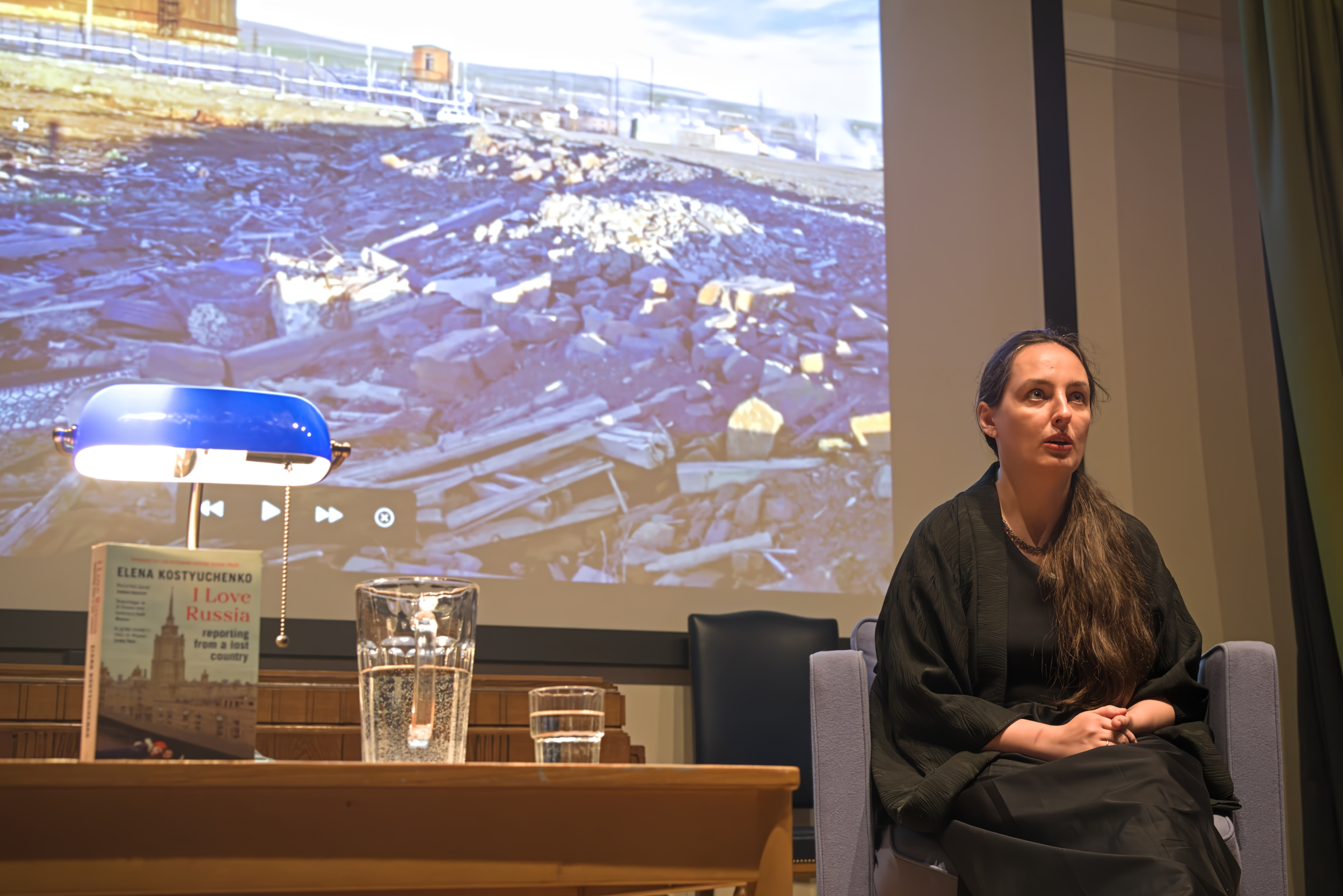
Reporting from a Lost Country: Public Interview with Elena Kostyuchenko
Novaya Gazeta reporter Elena Kostyuchenko on her book I Love Russia and the risks of reporting from an authoritarian state.
Slug
kostyuchenko
Attribute image source
fallback
Blocks
12
Article attribute image
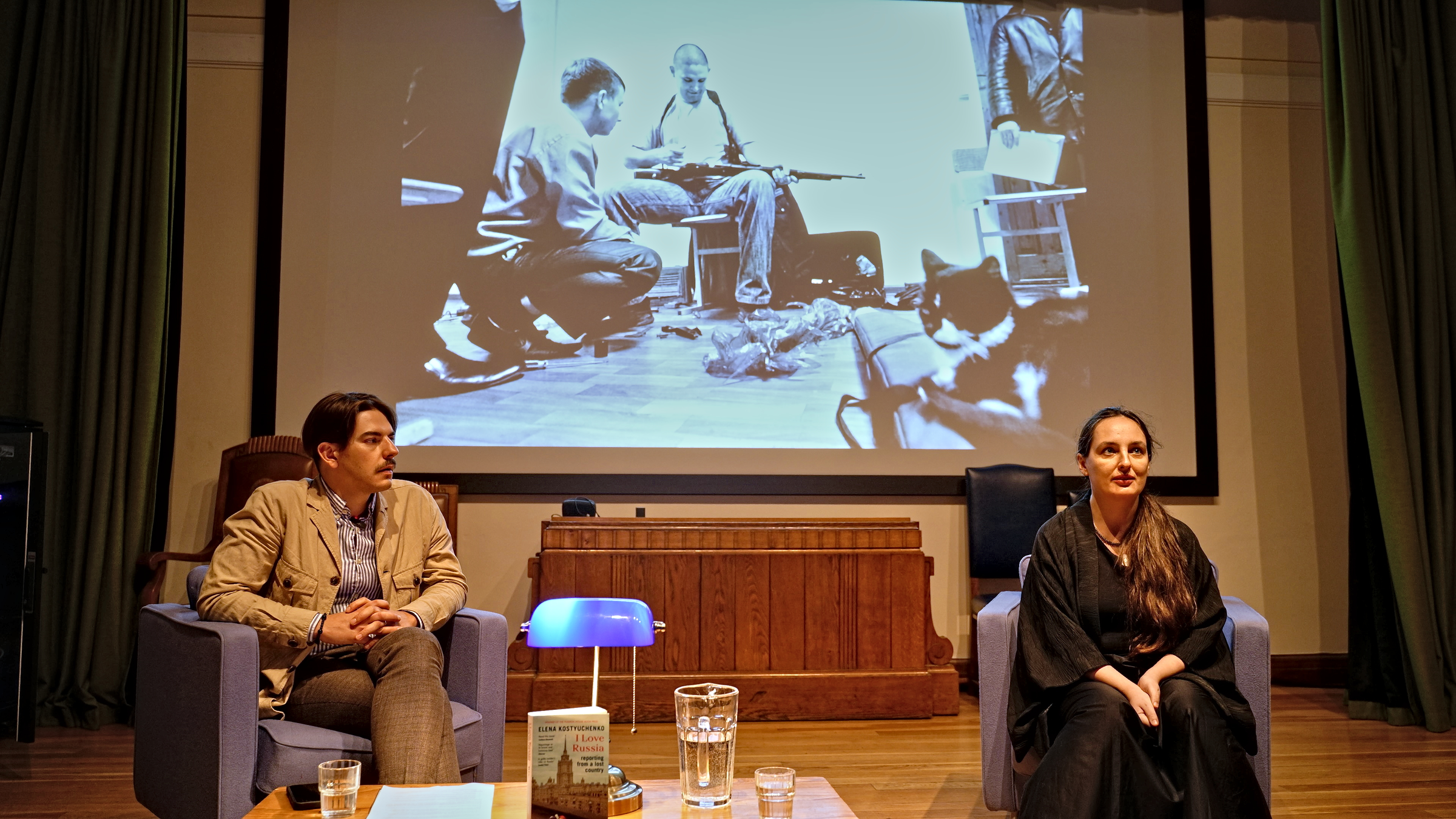
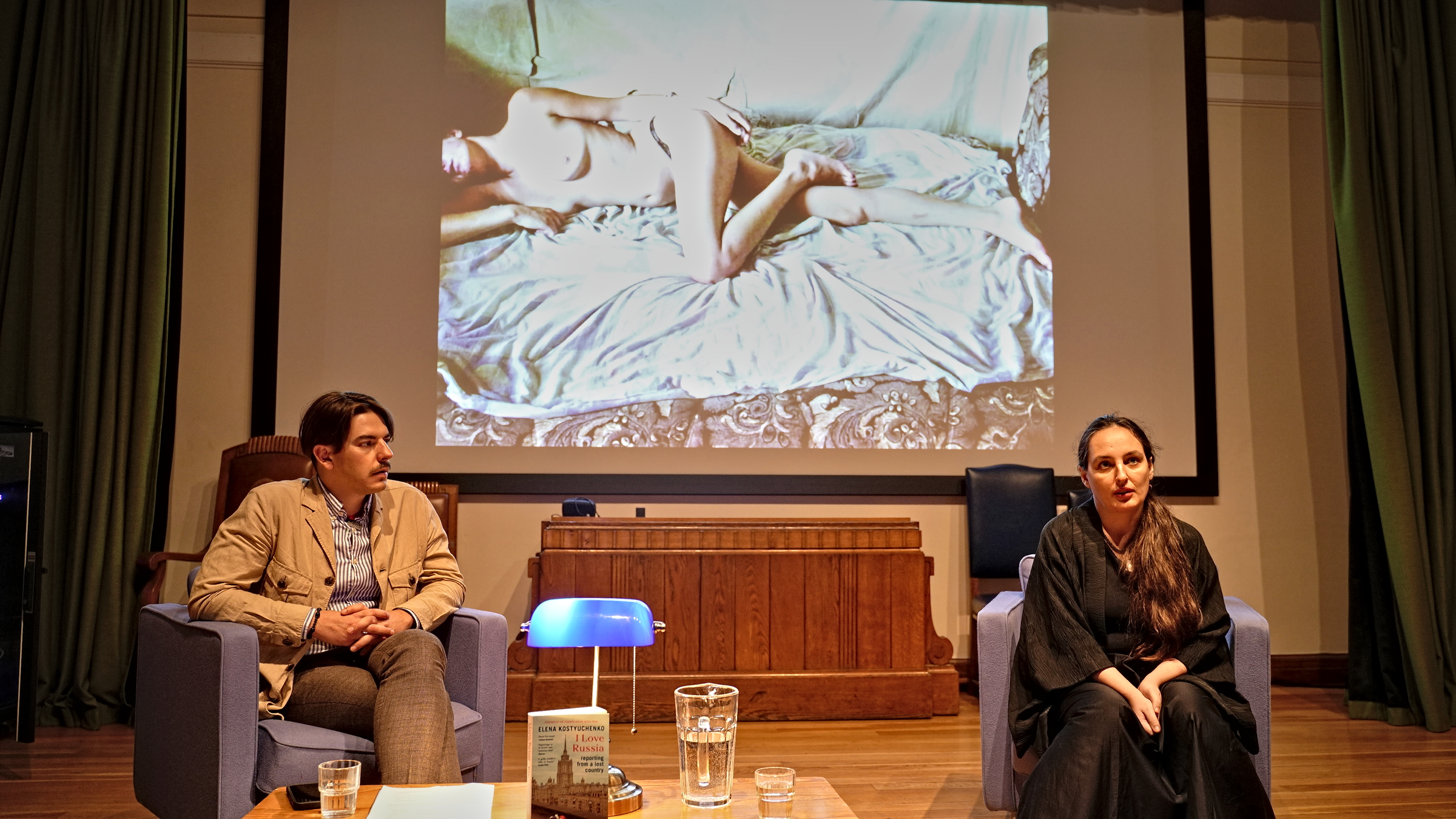
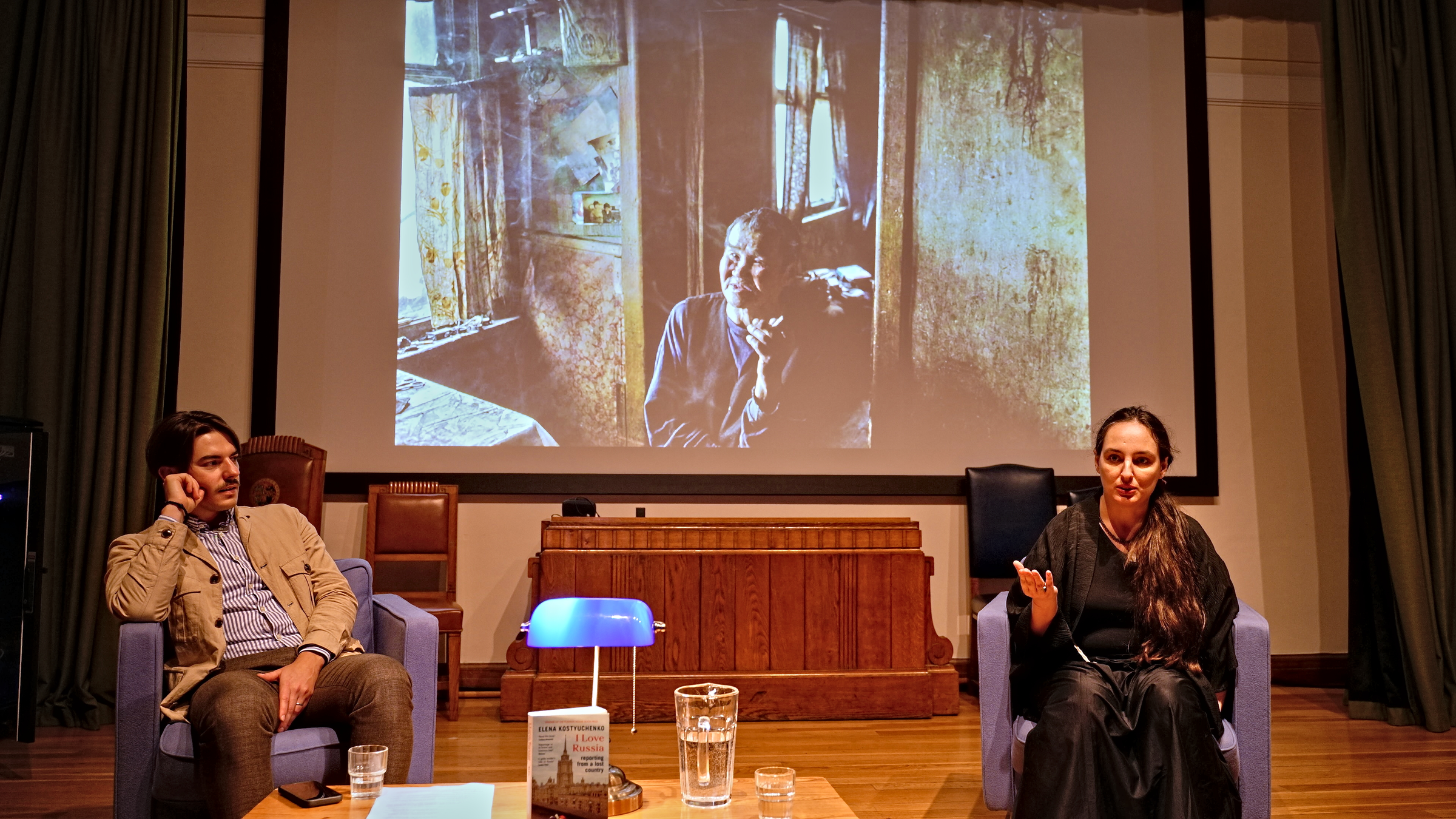
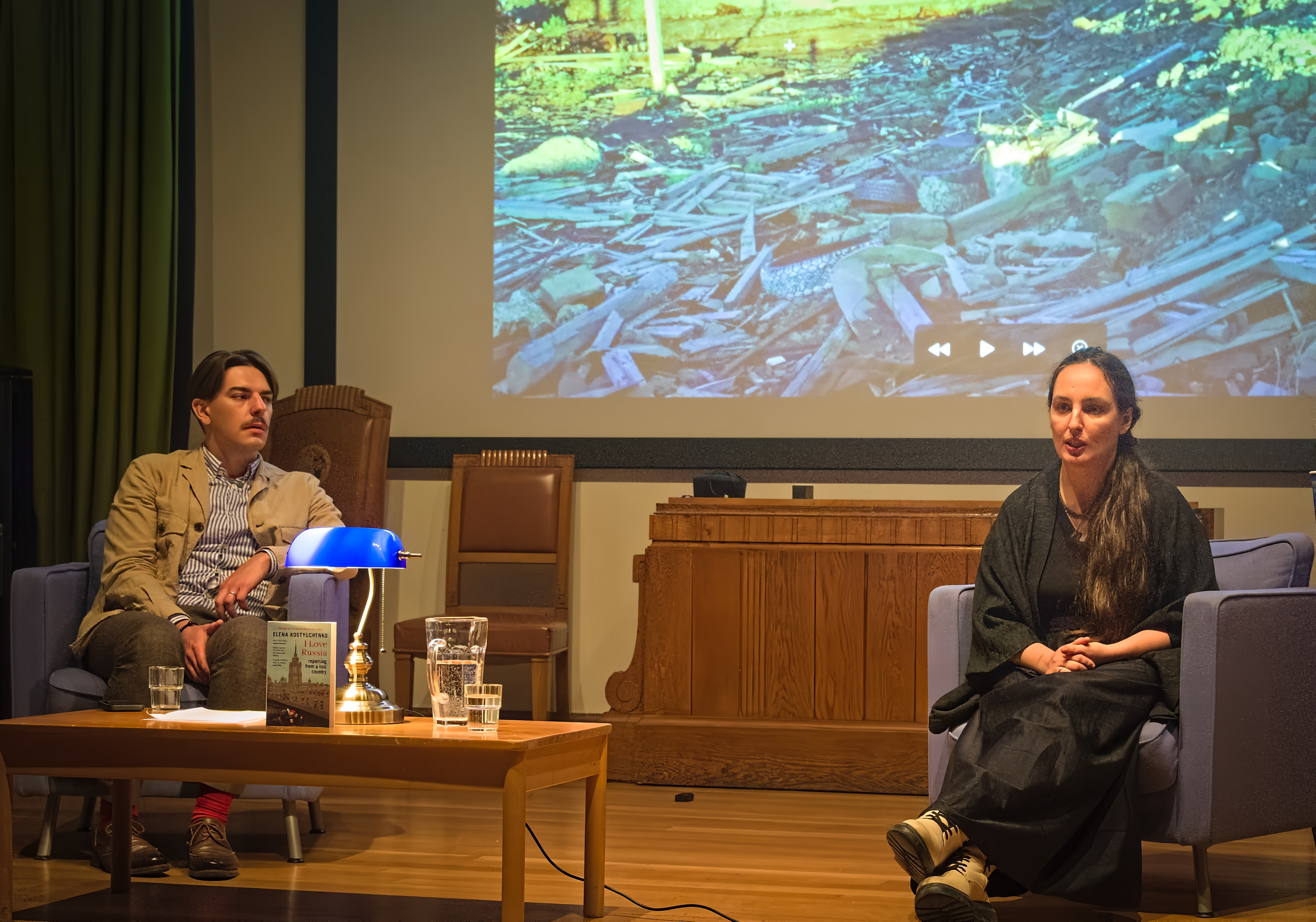
We were honoured to host Elena Kostyuchenko, a renowned Russian journalist and gay rights activist currently in exile, for a public interview. As an investigative reporter for Novaya Gazeta, Elena has long been a courageous voice in exposing corruption, human rights abuses, and the realities of life in Russia and Ukraine.
The conversation centred around Elena’s powerful and critically acclaimed book, I Love Russia: Reporting from a Lost Country (Penguin Press, 2023), a collection of her writings translated into English. The book has earned international recognition, including:
Best Book of the Year by The New Yorker and Time magazine
New York Times Book Review Editors' Choice
Winner of the 2024 Pushkin House Book Prize
Image unavailable
Image unavailable
Image unavailable
Image unavailable
Image unavailable
Image unavailable
The discussion offered a profound look into Elena’s experiences as a journalist working under immense personal and professional risks in Russia and Ukraine, providing first-hand insights into the challenges of reporting in authoritarian environments.
The interview was followed by an engaging Q&A session, where attendees had the opportunity to ask Elena about her work, life in exile, and the broader implications of her reporting.
interview · 2024-05-26
Abyss: Art Presentation and Public Interview with Pavel Otdelnov
Artist Pavel Otdelnov on memory, Soviet history, and ressentiment, in a public interview with Artemii Levkoy.
Slug
otdelnov
Attribute image source
fallback
Blocks
4
Article attribute image
On 26th May 2024, we hosted a fascinating art presentation and discussion with Pavel Otdelnov, one of the most prominent modern Russian artists.
Otdelnov’s diverse body of work spans painting, drawing, video, and installations, exploring critical themes such as urban space, environment, Soviet history, and historical memory. During the event, Pavel presented a digital showcase of his recent works, prompting an engaging conversation on his artistic perspective. Key topics included Russia’s post-Cold War ressentiment, the complex nostalgia for the Soviet Union, and the impact of the ongoing war in Ukraine on cultural narratives.
The discussion and subsequent Q&A session were led by our Cultural Events Secretary, Artemii Levkoy, offering attendees a unique opportunity to engage directly with Pavel’s ideas and themes.
interview · 2024-05-17
ROARing Times: Linor Goralik on War Poetry and Her Novel "Bobo"
Writer Linor Goralik on her antiwar journal ROAR and her novel Bobo, an elephant's journey through a dystopian Russia.
Slug
goralik
Attribute image source
fallback
Blocks
7
Article attribute image
On 17 May, ONRS hosted an interview with Linor Goralik, one of the most influential voices in contemporary Russian-language literature. The conversation delved into the intersections of art, politics, and personal expression in times of intense sociopolitical turmoil.
The event opened with a discussion of Resistance and Opposition Arts Review (ROAR), an antiwar journal that Linor and her team have published bimonthly since March 2022. Available in multiple languages, ROAR has become a notable platform for antiwar poetry, prose, music, and visual art.
The latter half of the interview explored her latest novel, Bobo, a story of an elephant wandering through modern-day, dystopian Russia. Initially a diplomatic gift from the Turkish sultan to the Russian tsar, Bobo’s journey through over twenty cities, ending in Orenburg, symbolises a bildungsroman in a state rife with police oppression and propaganda. The novel was withheld from release in Russia to avoid political repercussions, with Linor sharing it on her website for unrestricted access.
You can watch the full interview on The Blue Lamp Channel.
interview · 2024-01-23
Poetry and Power in the Post-Stalin Era: Interview with Andrei Zorin
Oxford professor Andrei Zorin on the entangled relationship between poetry and the Soviet state, in conversation with Egor Sokolov.
Slug
zorin
Attribute image source
fallback
Blocks
3
Article attribute image
On January 23, 2024, we hosted an interview with Andrei Zorin, Professor of Russian at the University of Oxford, renowned for his expertise in Russian literature and cultural history of the 18th-19th centuries. In addition to sharing his research, Prof Zorin reflected on his personal experiences within Dmitry Prigov's circle. At a time when Russian culture faces polarisation between amoral conformism and radical attacks on the "imperialist" canon, Zorin's nuanced and witty approach is especially important.
In an interview with our committee member, Egor Sokolov, Prof Zorin investigated the intricate relationship between poetry and Soviet state, offering valuable insights relevant to today's context. The event included a Q&A session followed by an informal chat with a glass of wine.
interview · 2023-11-18
Beyond the Mother Tongue: Kristina Gorcheva-Newberry on Her Debut Novel and Exophony
Novelist Kristina Gorcheva-Newberry on her debut novel, exophony, and writing across languages, in conversation with Artemii Levkoy.
Slug
gorcheva-newberry
Attribute image source
fallback
Blocks
5
Article attribute image
Creative writing in foreign languages, also known as exophony or translingualism, has been practised since time immemorial. However, in the late twentieth and early twenty-first centuries, it multiplied and intensified as a consequence of patterns of migration, changing demographics and the rise of English as a global language. What challenges do writers and poets face when working in a foreign tongue? Does the language of writing shape an author's artistic identity or connect them to a specific literary tradition? With English as a well-established lingua franca, should authors strive to emulate native speakers, or is the "New" English literature becoming the new normal?
On 18 November, 2023, Kristina Gorcheva-Newberry, a rising star in the American literary scene, addressed these and other questions in a conversation with Artemii Levkoy. The interview was followed by Q&A, a book signing session, and an Open Mic featuring original poetry in English and Russian.
In the latter part of the evening, attendees enjoyed an Open Mic session featuring poetry recitations in English and Russian. The most outstanding poet, as determined by our esteemed guest, was awarded a copy of Kristina's book.
You can watch the full internview on The Blue Lamp channel.